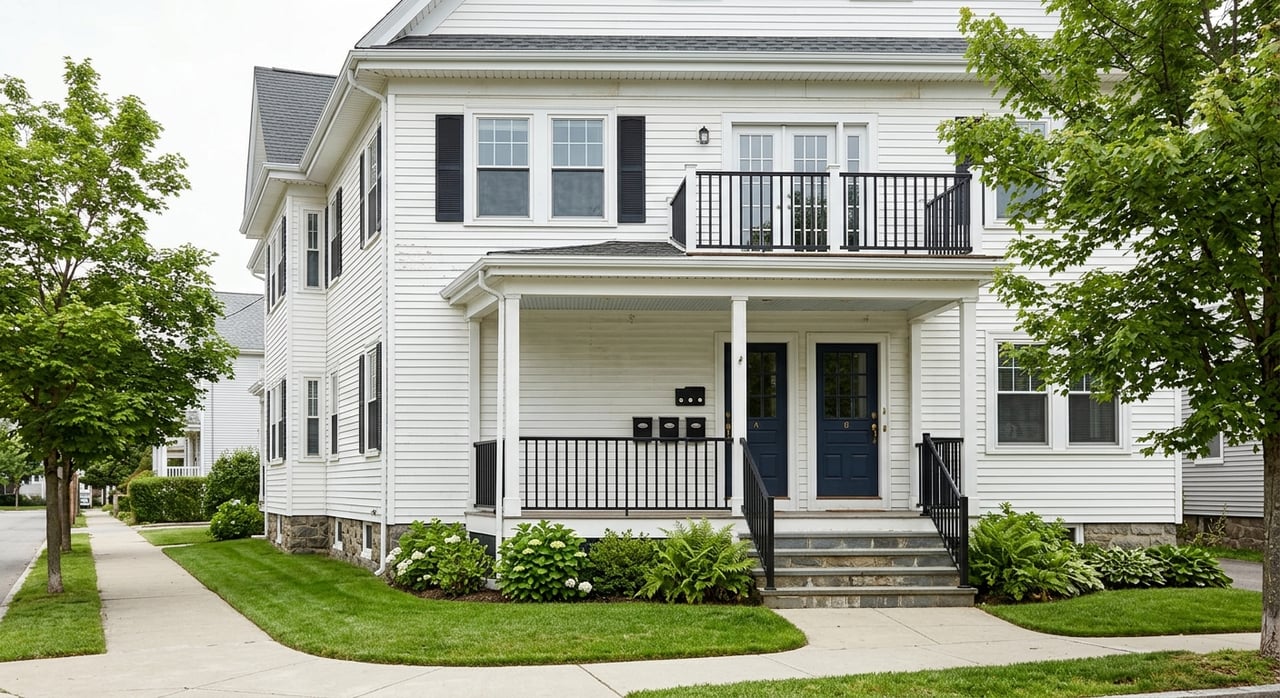
If you are looking at multifamily or small mixed-use property in Fairfield County, Norwalk deserves a close look. The city offers a mix of transit access, redevelopment activity, and a broad renter base that can make underwriting more compelling than in many nearby markets. In this guide, you will get a practical overview of where to focus, what numbers to watch, and which zoning details can shape a deal before you go too far. Let’s dive in.
Why Norwalk draws investor attention
Norwalk combines population scale, household income, and commuter access in a way that stands out. The city had an estimated 93,661 residents as of July 1, 2024, along with 36,011 households and a median household income of $107,616, according to the U.S. Census QuickFacts for Norwalk. Those figures help explain why the market continues to support both owner-occupied and rental housing demand.
The local workforce profile also matters when you are evaluating rental demand. The Census reports a 71.6% labor-force participation rate, a 27.1-minute average commute, and 44.8% of adults age 25+ with a bachelor’s degree or higher. Together, those data points suggest a stable, employment-linked housing market with a renter pool that is tied to both local jobs and regional commuting patterns.
Norwalk also benefits from demographic breadth. The Census estimates that 30.0% of residents are foreign-born, which adds to the city’s housing diversity and year-round demand base. For investors, that kind of broad demand profile can matter just as much as headline rent growth.
Where to focus in Norwalk
Not every Norwalk pocket underwrites the same way. District rules, parking treatment, and transit access can vary meaningfully from one area to the next, so location analysis needs to go beyond the usual neighborhood shorthand.
South Norwalk and SoNo
South Norwalk is one of the clearest places to start if you are focused on transit-oriented multifamily or mixed-use potential. The city’s South Norwalk station-area report notes that the station connects to Grand Central in about 70 minutes, Stamford in 16 minutes, and is served by 95 weekday Metro-North trains. That level of service supports the area’s long-term appeal for renters who value rail access.
The zoning setup is also important here. Norwalk’s code allows mixed-use development by site plan review in several districts, including the South Norwalk Business District, as described in the city’s zoning resources and code framework. For an investor or small developer, that can create more flexibility than you might find in a purely residential pocket.
Downtown and Wall Street
Downtown Norwalk around Wall Street is another area worth underwriting carefully. The city’s Wall Street Corridor Improvements Project includes $26 million in construction funding and is aimed at improving sidewalks, safety, public space, parking, and transit access. Public investment like this does not guarantee a deal works, but it can support long-term demand and improve the user experience for both residents and commercial tenants.
For mixed-use buyers, this area can be especially relevant because the appeal often depends on walkability, storefront visibility, and public realm quality. Those details affect leasing just as much as unit finishes or cap-ex plans.
East Norwalk and EVTZ
East Norwalk deserves attention if your strategy leans toward transit-linked value-add or smaller mixed-use assets. The city highlights the East Norwalk Village TOD Zone and related Seaview Avenue corridor planning as part of a broader effort to improve intersections, lighting, walking and biking access, parking, and connections to businesses and public space. That kind of infrastructure focus can matter when you are evaluating future tenant appeal and street-level usability.
TOD-oriented areas can also present a different parking and design review environment than conventional suburban sites. That is why early zoning review is critical before you make assumptions based on a listing description alone.
District details matter
One of the biggest underwriting mistakes in Norwalk is treating the whole city like one zoning environment. The city’s zoning map and district resources include the CBD, CBD-W, South Norwalk Business District, SoNo Station Design District, Washington Street Design District, Reed Putnam subareas, and multiple Village Districts. Those labels are not just technical details. They can affect use permissions, design standards, parking expectations, and approval pathways.
Understanding Norwalk rents
Public rent trackers for Norwalk do not match exactly, but they point in the same general direction. Apartments.com rent trends show an average rent of $2,509 in March 2026, while the research report also notes Zillow at $2,600 and RentCafe at $2,895. These are not directly interchangeable, but they collectively support the view that Norwalk is a high-rent suburban market with durable tenant demand.
It also helps to separate survey-based and advertised-rent data. The Census ACS median gross rent for Norwalk was $2,073 over 2020 through 2024, which is a different kind of measure than current listing-based trackers. If you are modeling a property, the takeaway is not to pick one source blindly, but to understand what each source is actually measuring.
At the broader county level, the research report cites Fairfield County multifamily conditions that also reinforce the backdrop. Vacancy was reported at 3.4%, average effective rent at $3,040 per month, and year-over-year rent growth at 5.3% in a 2025 county report. For Norwalk investors, that wider context helps explain why smaller multifamily buildings continue to attract attention.
A practical cap-rate view
Cap rates are one of the easiest metrics to oversimplify. According to the NAR Bridgeport-Stamford-Norwalk multifamily report, the market cap rate for multifamily was 5.7% in Q2 2024, down from 6.1% in Q2 2023. That gives you a useful directional benchmark, especially if you are comparing opportunities across the broader metro.
Still, you should be careful not to treat one reported number as universal truth for every building. Actual pricing can shift based on unit mix, property condition, lease structure, deferred maintenance, financing assumptions, and micro-location. In practice, the research suggests that stabilized Fairfield County multifamily often underwrites in the mid-5% range, but every deal should be tested on its own merits.
Zoning and diligence issues to review early
In Norwalk, diligence should start with zoning, not after it. The city’s current zoning regulations and permit information note that a zoning permit is required before a building permit, and multifamily, mixed-use, and commercial projects have their own application set. The city also states that incomplete applications are not accepted.
This matters because timeline assumptions can drift quickly if you do not know what the city expects up front. Site plans and multiple paper copies are part of the standard submission package, so investors should build in time for a complete and organized filing.
Parking can shape the deal
Parking analysis is especially important in Norwalk. Under the city code, mixed-use development is allowed by site plan review in EO, B1, B2, and the South Norwalk Business District, and South Norwalk offers parking mechanisms that can include municipal parking and fee-in-lieu options in certain cases, according to the Norwalk zoning code. Some multifamily projects may also request TOD parking ratios of 1 space per studio, 1 per one-bedroom, and 2 per two-bedroom-or-larger unit, subject to a parking management plan and Commission approval.
That flexibility can be meaningful, but it is not automatic. You will want to confirm whether a property’s district, layout, and intended use actually fit the approval path you have in mind.
Overlay and occupancy checks matter
Norwalk also has additional review layers that can affect cost and timing. The city notes Village Districts under Connecticut statute, along with flood-hazard and coastal-area review paths for parcels within those overlays. If you are looking at a building near the water or in a district with design oversight, those details should be part of your first-pass diligence, not a later surprise.
Operational compliance matters too. The city notes through its zoning and housing enforcement framework that apartments with three or more units require a certificate of occupancy. If you are buying a value-add property, confirm occupancy status, code history, and any open issues early in the process.
Redevelopment support to keep in mind
If your business plan includes façade work, interior repair, or code-related improvements, Norwalk has some city-backed programs worth reviewing. The city’s Property Improvement Initiative and South Norwalk investment support can be relevant for eligible properties and scopes of work. These programs will not fit every acquisition, but they may improve the numbers on select value-add projects.
What this means for your search
Norwalk stands out as a Fairfield County submarket where transit access, redevelopment activity, and zoning flexibility come together in a useful way for multifamily and small mixed-use investors. The opportunity is not simply about buying in a strong county. It is about identifying the right district, understanding the parking and approval path, and matching your deal strategy to the exact location.
If you are evaluating a Norwalk acquisition, the best first steps are simple: verify the district, review current zoning rules, compare rent assumptions carefully, and confirm occupancy and permit history before you underwrite too far. When you want local guidance on multifamily opportunities, off-market possibilities, or the diligence process across Fairfield County, Dannel Malloy can help you move with clarity and discretion.
FAQs
What makes Norwalk attractive for multifamily investors?
- Norwalk combines a large population base, strong household income, solid commuter access, and high local rent levels, which together support ongoing rental demand.
Which Norwalk areas are most relevant for mixed-use property?
- South Norwalk, Downtown Wall Street, and East Norwalk are key areas to review because of transit access, redevelopment activity, and district-specific zoning rules.
What rent numbers should you use for a Norwalk investment property?
- You should compare multiple sources because public trackers differ, with reported averages ranging from about $2,509 to $2,895, while Census median gross rent is lower and measured differently.
What cap rates are typical for Norwalk multifamily property?
- A useful benchmark is the 5.7% multifamily market cap rate reported for the broader Bridgeport-Stamford-Norwalk metro in Q2 2024, though actual deals can vary by asset and location.
What zoning issue should you check first for a Norwalk multifamily purchase?
- You should confirm the property’s zoning district first, because use permissions, parking requirements, design review, and approval paths can vary significantly across Norwalk.
Do Norwalk multifamily properties need special occupancy review?
- Yes, apartments with three or more units require a certificate of occupancy, so you should verify occupancy and code status early during due diligence.