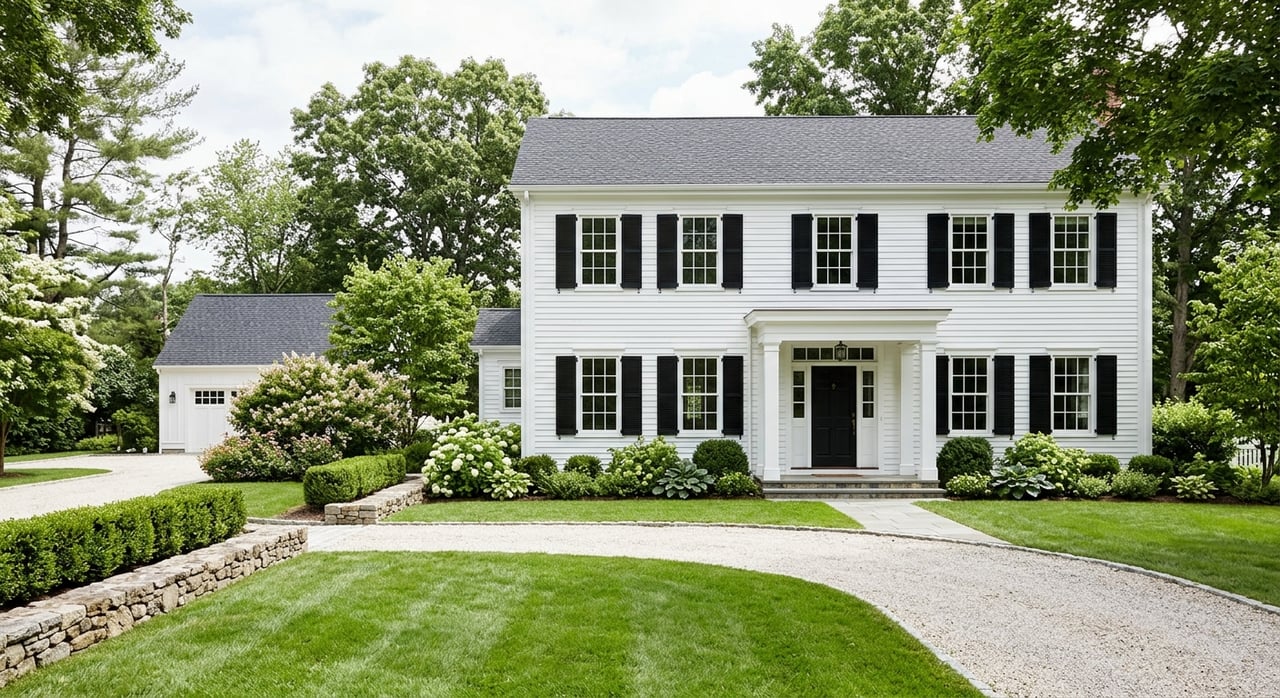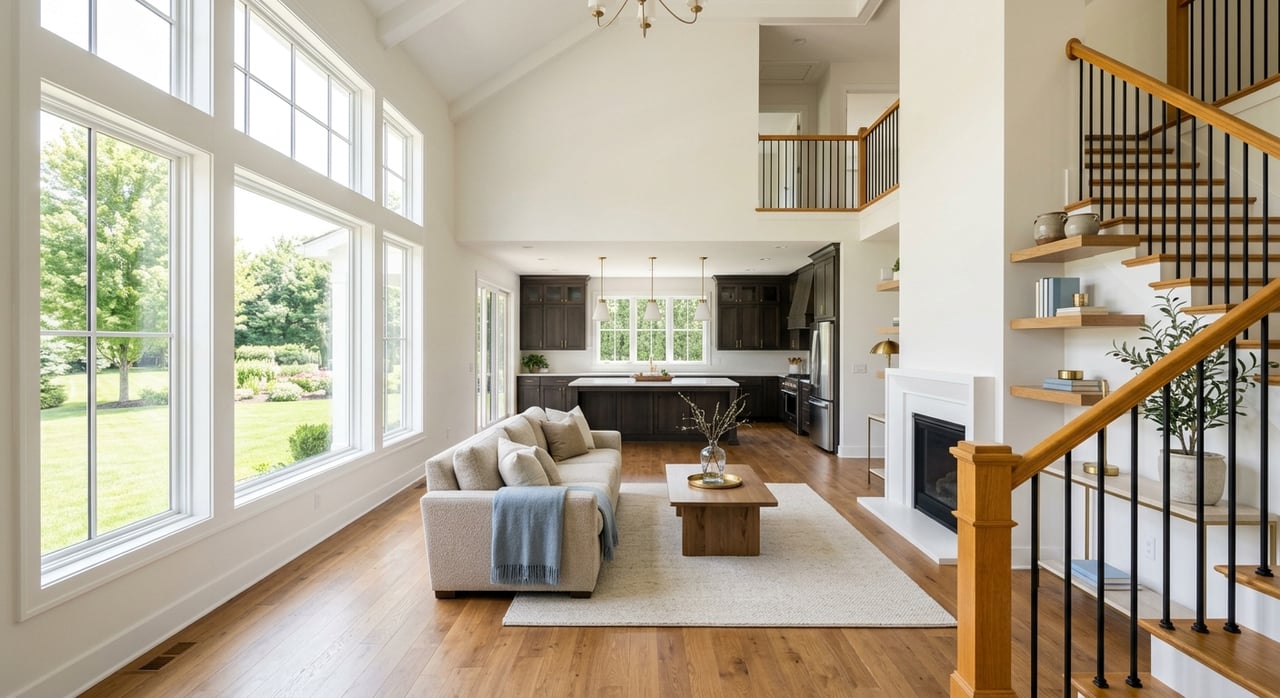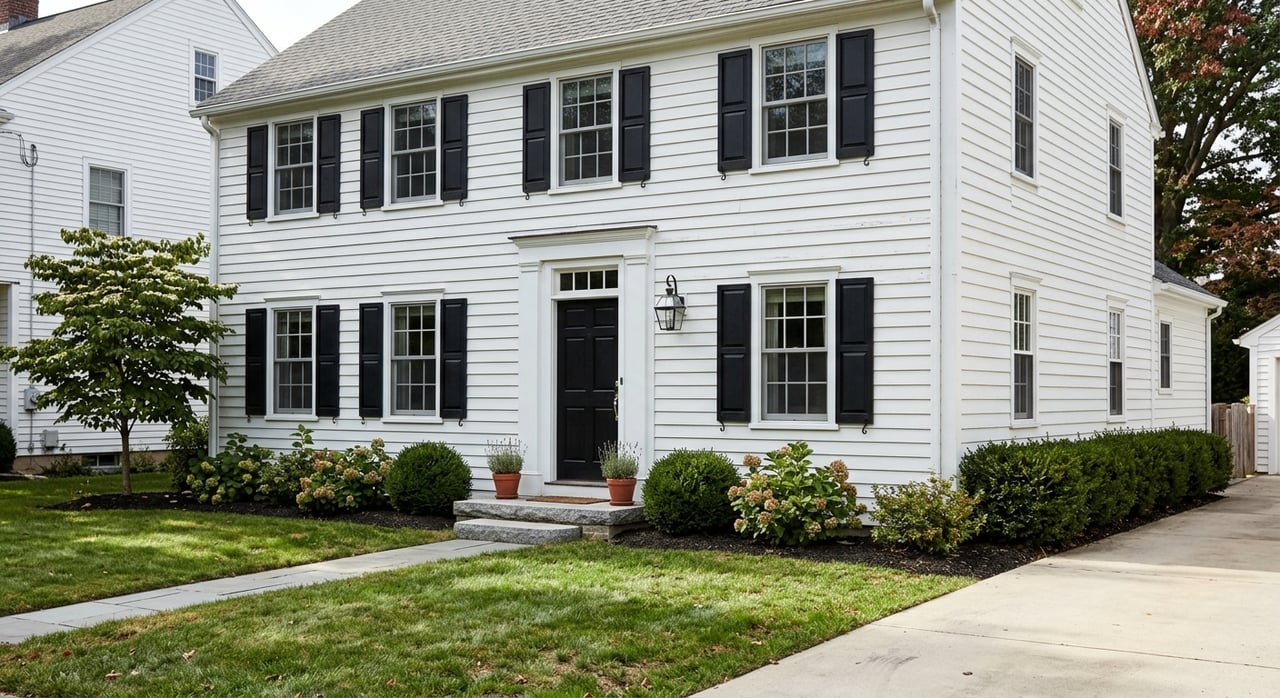
Wondering whether Milford is still a realistic place to buy your first home? You are not alone. With listing prices that can feel all over the map, many buyers need a clear, local read on what starter-home shopping in Milford actually looks like today. This guide breaks down the numbers, the tradeoffs, and the practical steps that can help you buy with more confidence. Let’s dive in.
What the Milford market looks like
Milford is a coastal New Haven County community with about 51,215 residents, and it has a high owner-occupied housing rate at 75.5%. Census data also shows a median owner-occupied home value of $415,200 and median monthly owner costs with a mortgage of $2,446. For many buyers, that points to a market where ownership is common, but affordability still takes planning.
Current market data varies depending on the source and the metric used. Recent sold prices appear to be in the low-$400,000s, while active listing medians are often closer to the high-$500,000s. The bigger takeaway is not one exact number, but the pattern: Milford is competitive enough that pricing matters, yet buyers still have time to compare options.
That matters if you are looking for a true starter home. In Milford, the decision often comes down to whether you want a lower-maintenance condo or a smaller, older single-family house. New construction is usually not the starting point for budget-conscious buyers here.
What counts as a starter home
In practical terms, condos are the clearest entry point for many Milford buyers. Current examples in the market include one-bedroom units around the low-$200,000s, smaller condos in the mid-$200,000s, and two-bedroom options in the upper-$200,000s and beyond. Redfin also shows a median condo listing price around $390,000, which suggests a wide range within the condo segment.
Single-family homes are still available, but the price floor tends to sit higher. Current examples include three-bedroom homes at $345,000, $400,000, $450,000, and $549,900. That means a starter single-family home in Milford is usually about compromise, not perfection.
You may need to weigh size, updates, lot space, and location against your budget. A smaller older house may give you more privacy and no HOA, while a condo may offer a lower purchase price and less upkeep. The right fit depends on how you want to live, not just what you want to own.
Condo or house: the key tradeoff
For many first-time buyers, this is the biggest decision. A condo can be the more accessible option if you want a simpler maintenance routine and a lower price point. That said, condo ownership often comes with monthly HOA dues, and current Milford examples show fees ranging from the low-$300s to the mid-$500s.
A house can give you more space and control, but you will likely pay more upfront and take on more maintenance. You may also need to budget for repairs sooner if the home is older. In Milford, the jump from condo pricing to single-family pricing can be significant.
A useful way to think about it is this:
- Condo: lower entry point, less exterior maintenance, possible HOA fees
- Single-family home: more independence, often more space, higher purchase and upkeep costs
- Shoreline location: stronger lifestyle appeal, but often a higher budget and more due diligence
- Inland or station-adjacent location: may improve value or commute convenience
How location shapes your budget
In Milford, location can change your budget quickly. Research shows a clear pattern that prices tend to rise closer to the shoreline, harbor areas, and water-oriented lifestyle pockets. That does not mean inland areas are automatically inexpensive, but it does mean waterfront access often comes with a premium.
Neighborhood-level snapshots show a wide spread. Post Road North is around $319,800, while Oronoque Village is around $537,000, Devon-Walnut Beach around $582,400, and Woodmont around $623,681. These figures are snapshots, not fixed rules, but they help illustrate how much location can influence your search.
If your budget is tight, it helps to define your priorities early. You may be able to afford more space inland or farther from shoreline-focused areas. If beach access, harbor views, or a water-adjacent setting matter most, expect that those features may reduce your options at the lower end of the market.
Commuting can add real value
Milford is not just about shoreline appeal. For many buyers, commuting convenience is a major part of the decision. Milford station is a stop on the Metro-North New Haven Line, and it also connects with CTtransit and Milford Transit.
That makes station proximity a real value factor, especially if you commute to New Haven, New York, or another rail-connected destination. A home near the station may not offer the same waterfront feel as a shoreline property, but it can support your daily routine in a meaningful way. For some buyers, that tradeoff is worth more than extra square footage or a closer beach location.
If you expect to commute regularly, it is smart to test the route before you buy. Drive to the station during real travel hours, check parking and timing, and compare that experience with other parts of Milford you are considering. Convenience on paper and convenience in real life are not always the same.
Budget beyond the purchase price
One of the easiest mistakes first-time buyers make is focusing only on the sticker price. In Milford, you also need to account for property taxes, possible HOA dues, insurance, and ongoing maintenance. These costs can change what feels affordable month to month.
Milford’s FY 2025-26 mill rate is 29.55, and Connecticut assessments are set at 70% of fair market value. Using those figures, a $300,000 home implies roughly $517 per month in property tax, a $400,000 home about $690 per month, and a $500,000 home about $862 per month. Those estimates are before HOA dues, flood insurance, and maintenance.
Here is a simple planning view:
| Home Price | Estimated Monthly Property Tax |
|---|---|
| $300,000 | About $517 |
| $400,000 | About $690 |
| $500,000 | About $862 |
If you are comparing a condo with a house, run the full monthly cost for both. A lower-priced condo with HOA dues may end up closer in monthly cost to a modest house than you expect. On the other hand, a house without HOA fees may still require more cash for upkeep.
Flood and shoreline due diligence
If you are looking near Long Island Sound, tidal water, or harbor-adjacent streets, due diligence becomes especially important. Connecticut’s Know Your Zone tool includes Milford, which means buyers should verify whether a property falls within an evacuation zone. That step matters for planning, not just peace of mind.
You should also look closely at flood risk and insurance costs. The Connecticut Insurance Department notes that standard homeowners and renters insurance do not cover flood damage. CT DEEP also states that all Connecticut municipalities participate in the National Flood Insurance Program.
In Milford, local oversight matters too. The city’s Harbor Management Commission notes that Milford regulates growth in and around the harbor area through planning, zoning, and harbor management rules. If you are buying near the water, ask early about flood maps, insurance estimates, and any location-specific rules that may affect ownership.
How competitive is Milford for starter buyers?
Milford appears to be somewhat competitive rather than extreme. Some homes receive multiple offers, and condos can move fairly quickly. At the same time, the broader market data suggests that not every listing disappears immediately, which gives buyers some room to compare properties and make careful decisions.
That is helpful if you are buying your first home. You may still need to move quickly on a well-priced listing, especially in a lower price band, but you do not necessarily need to assume every property will become a bidding war. Preparation matters more than panic.
A strong starter-home strategy usually includes:
- Setting a firm monthly comfort zone, not just a maximum price
- Comparing condos and houses side by side
- Checking taxes, HOA dues, and insurance before making an offer
- Weighing commute convenience against shoreline lifestyle
- Staying flexible on cosmetic updates versus location
A practical way to narrow your search
If Milford is on your list, start by choosing your main priority. For many buyers, that priority is either a lower monthly payment, a better commute, or a shoreline lifestyle. Once you know which one matters most, the rest of the search gets clearer.
If your top goal is affordability, a condo may offer the most realistic path into the market. If your top goal is control over the property and more outdoor space, a smaller single-family home may be worth stretching for. If your top goal is living closer to the water, make sure your budget includes the added cost and due diligence that often come with that choice.
Milford can still work as a starter-home market, but success usually comes from making a smart tradeoff, not finding a perfect deal. If you want grounded guidance on how to compare options and move forward with a clear plan, connect with Dannel Malloy.
FAQs
What is a realistic starter home option in Milford?
- For many buyers, a condo is the most realistic starter path, with current examples ranging from the low-$200,000s into the $300,000s, while modest single-family homes often start higher.
Are Milford starter homes still competitive?
- Yes, Milford is somewhat competitive, and some homes receive multiple offers, but buyers may still have enough time to compare options carefully rather than rushing into every listing.
How much should you budget for property taxes in Milford?
- Using Milford’s FY 2025-26 mill rate and Connecticut’s 70% assessment method, estimated monthly property taxes are about $517 on a $300,000 home, $690 on a $400,000 home, and $862 on a $500,000 home.
Should you buy a condo or a house in Milford?
- A condo may offer a lower entry point and less maintenance, while a house may offer more space and independence but usually comes with a higher purchase price and more upkeep.
How does shoreline location affect home prices in Milford?
- In general, properties closer to the shoreline, harbor, or water-oriented areas tend to cost more than inland or less water-focused locations.
What should you check before buying near the water in Milford?
- You should verify flood maps, evacuation zone status, and insurance costs early, because standard homeowners insurance does not cover flood damage and water-adjacent locations may involve added planning considerations.