If you are thinking about a move to Fairfield County, Ridgefield often stands out for one simple reason: it does not feel like just one kind of town. You might be looking for a walkable Main Street, an easier train connection, or a home with more land and privacy. Ridgefield offers a different version of daily life depending on where you land, and that can make your search feel both exciting and a little hard to decode. This guide will help you understand what it is actually like to live in Ridgefield, from downtown to Branchville to its quieter outer roads. Let’s dive in.
Ridgefield at a Glance
Ridgefield is a colonial-era town of about 25,000 people in the foothills of the Berkshire Mountains. Its Main Street stretches more than a mile along a ridge about 750 feet above sea level, which gives the center of town a distinctive shape and presence.
That setting helps explain why Ridgefield feels more like a historic New England town center than a typical suburban commercial strip. You get a defined downtown, visible history, and a layout that feels shaped by the land rather than built all at once.
The Overall Feel of Ridgefield
Ridgefield blends three experiences that do not always show up together in one town. You have a historic, walkable core, a commuter-oriented village area in Branchville, and broader sections with open space, wooded roads, and more private homes.
In practical terms, that means your day-to-day lifestyle can vary a lot depending on where you live. Some residents are close to shops, museums, and performance venues, while others trade that convenience for more land, quieter surroundings, and a more secluded setting.
Living Near Main Street
Downtown Feels Historic and Walkable
If you are drawn to older town centers, Main Street is likely the part of Ridgefield that will speak to you first. The town describes it as lined with stately homes, museums, churches, and shops, and that mix gives the area a walkable, established feel.
This is also the heart of Ridgefield’s Cultural District. In 2021, the Connecticut Office of the Arts designated Ridgefield as the state’s first Cultural District, with places like Ballard Park, Ridgefield Library, the Prospector Theater, ACT of Connecticut, Ridgefield Playhouse, the Aldrich Contemporary Art Museum, and Keeler Tavern Museum & History Center all part of that footprint.
Homes in the In-Town Core
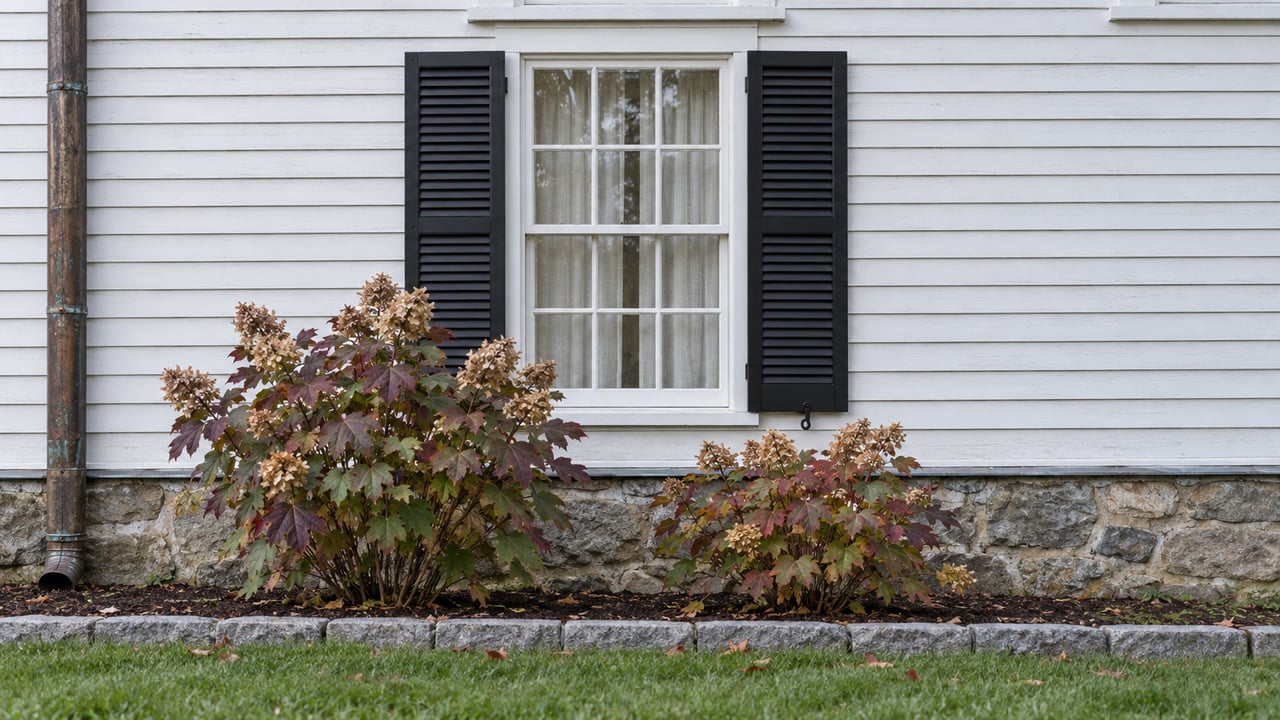
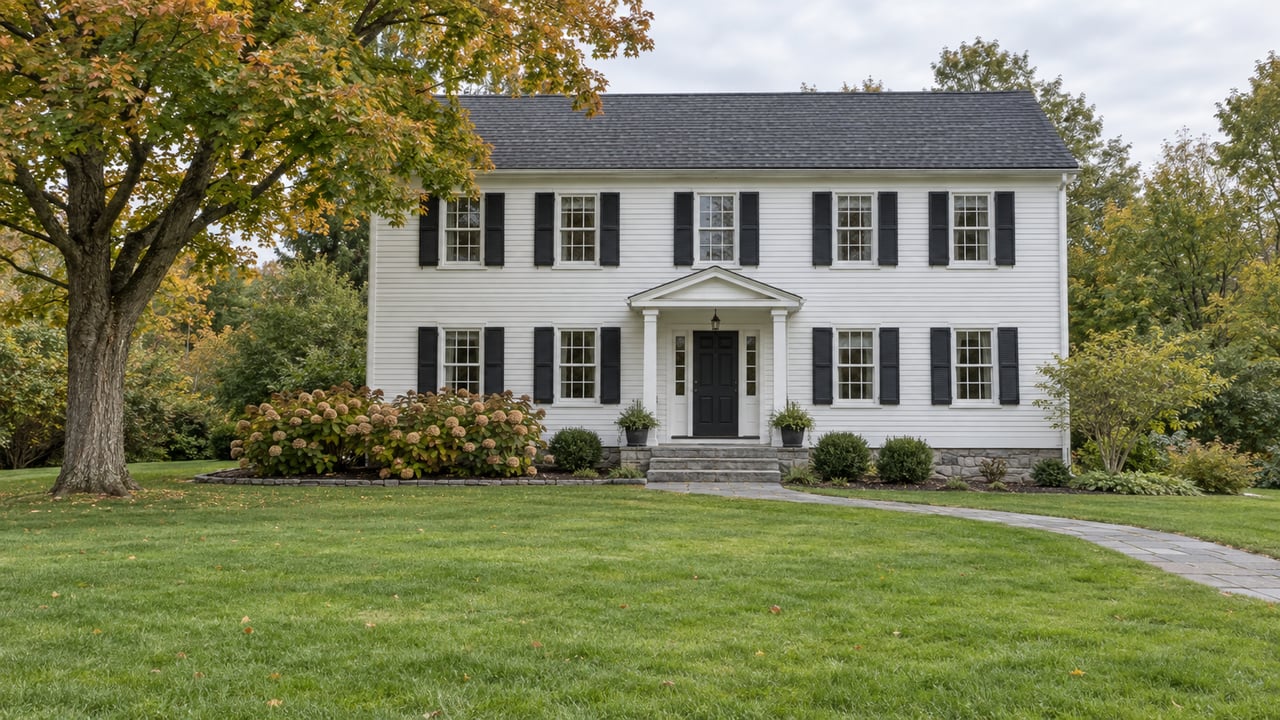
The in-town area is Ridgefield’s oldest residential fabric. The town history notes that the original settlers received 7.5-acre home lots along Main Street, and over time those homes were expanded and joined by larger properties, including mansion-sized retreats built by summer visitors in the late 1800s.
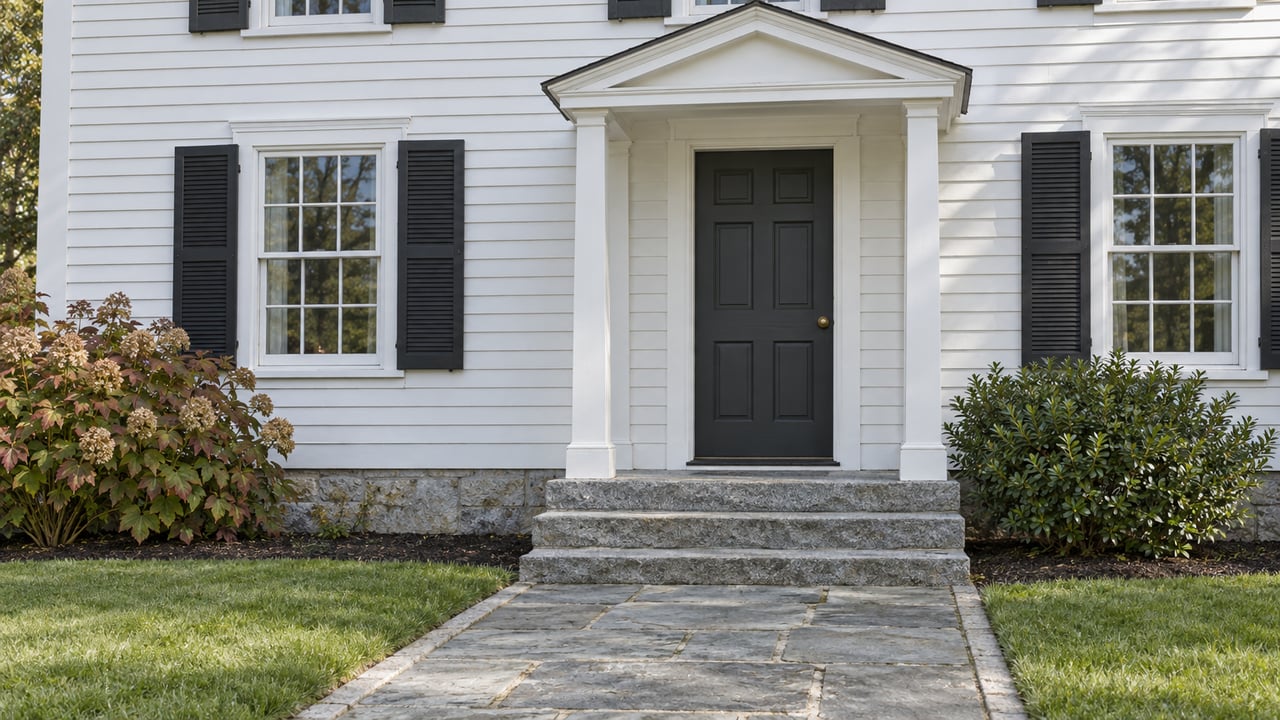
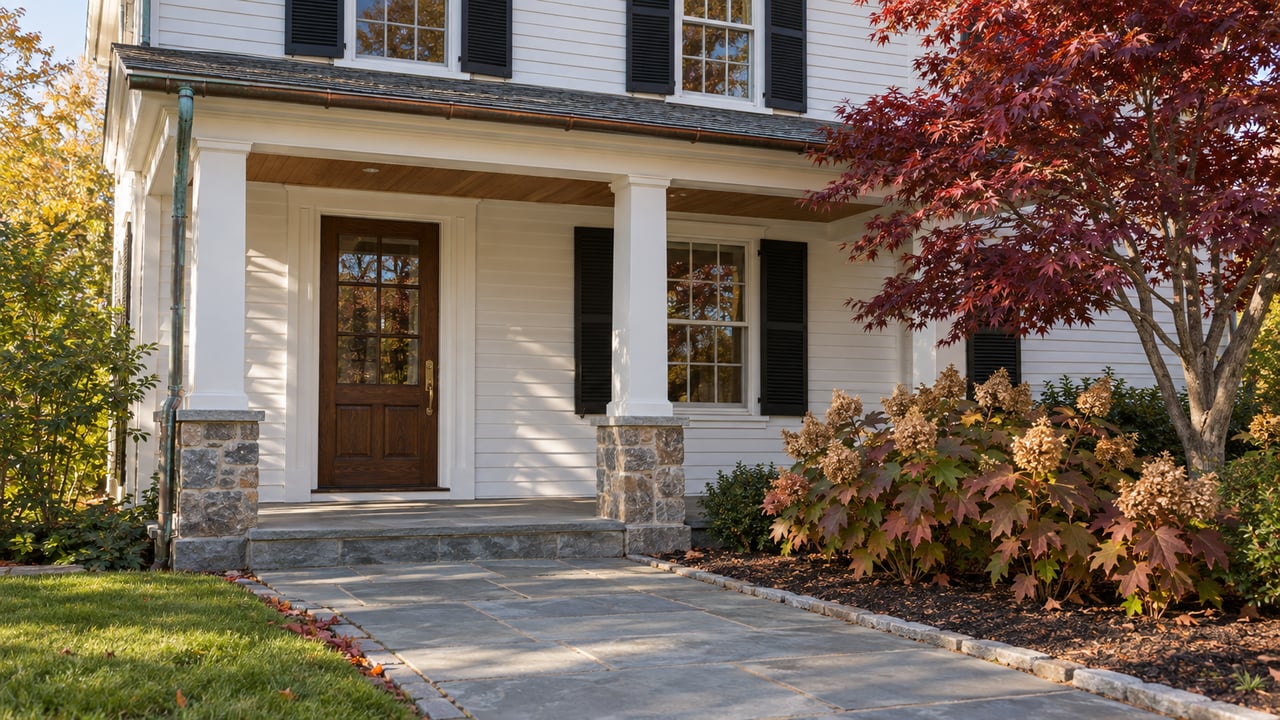
Today, that history still shapes the housing stock. Buyers in the center of town often find period homes, preserved streetscapes, and properties with a strong sense of continuity and architectural character.
Historic District Rules Matter
If you are considering a home in one of Ridgefield’s historic districts, it is important to understand that preservation plays a real role in daily ownership. Ridgefield’s Historic District Commission reviews exterior work on buildings, fences, driveways, parking areas, and similar features.
For some buyers, that structure is a major plus because it helps protect the look and feel of the area. For others, especially those who want broad freedom to change exterior elements, it may feel more limiting.
Living in Branchville
Branchville Is Ridgefield’s Commuter Node
Branchville has a different personality than Main Street. It is the part of Ridgefield most closely tied to train access, with the Branchville Metro-North station on the Danbury Branch serving as the town’s clearest rail connection.
The town’s planning materials and Cultural District information also point to Branchville as a village-style area with shops and restaurants. Compared with the broader road network in town, it feels more compact and more distinctly commuter-oriented.
A More Village-Like Pattern
Ridgefield’s Branchville Transit Oriented Development Plan outlines a more pedestrian-friendly pattern for this area. The Branchville Village Mixed-Use District is intended for limited retail with apartments on upper floors, and nearby medium- and high-density residential districts are designed to be walkable to the station.
That does not make Branchville urban, but it does make it one of the easiest places in town to imagine a more connected, village-style routine. If train access matters to you, this is the part of Ridgefield that deserves close attention.
Roads and Daily Movement Feel Different Here
The town’s planning documents note that Branchville’s local roads are narrow, steep, and winding. That detail helps explain why the area feels more compact and tucked into the landscape than many suburban settings.
It also adds practical context for your home search. Branchville can feel convenient and village-like, but it still fits within a town where most daily movement is shaped by the car.
Living on Ridgefield’s Outer Roads
More Space, Woods, and Privacy
If your idea of home includes more land, more privacy, and a quieter setting, Ridgefield’s outer areas may be the strongest fit. The town’s natural resource inventory explains that ridges and valleys help determine settlement patterns and transportation routes, which contributes to the more wooded and secluded feel in these sections.
This is the Ridgefield many buyers picture when they think of country roads, larger lots, and a more removed atmosphere. It can feel estate-like in places, especially compared with the denser parts of town.
Open Space Is a Big Part of Life Here
As of June 2024, Ridgefield had close to 5,700 acres of designated open space and parks, including nearly 3,000 acres owned by the town. There are more than 50 named and numbered open-space properties, with examples including Bennett’s Pond State Park, Seth Low Pierrepont State Park, Hemlock Hills/Lake Windwing, Nod Hill Refuge/Weir Farm, Pine Mountain, and West Mountain Refuge.
That amount of preserved land shapes the experience of living here. Even if you are not on protected land, the surrounding open space can make everyday life feel greener, less crowded, and more connected to the landscape.
Housing Can Feel More Estate-Like
The town’s fire department notes that 10,000- to 15,000-square-foot single-family homes are not uncommon in Ridgefield. While that does not describe every property, it is a useful signal that the market includes some very substantial homes.
For buyers looking at multi-acre properties or larger residences, Ridgefield has the kind of housing profile that can support that search. It is one reason the town appeals to people who want space without giving up access to Fairfield County.
Arts and Culture Are Unusually Strong
One of Ridgefield’s biggest surprises is how much arts and culture it packs into a town of this size. The Cultural District includes museums, theater, film, live performance, public gathering spaces, and a library, all clustered in and around the center.
The Aldrich Contemporary Art Museum sits on Main Street with a two-acre sculpture garden, while Keeler Tavern Museum & History Center anchors a four-acre site in the heart of town. Ridgefield Playhouse is also a major regional venue for live performance.
This matters because it changes the rhythm of local life. In many suburban towns, arts and entertainment are occasional outings. In Ridgefield, they are part of the identity of the place.
Outdoor Access Is Part of Daily Living
Ridgefield is not only about downtown charm. It also offers broad access to parks, trails, and protected land that support a more outdoors-oriented lifestyle.
A standout is Weir Farm National Historical Park, located in Ridgefield and Wilton. The National Park Service describes it as the only site in the National Park System dedicated to painting, and its grounds are open daily year-round.
For residents, that combination of cultural depth and outdoor access is a big part of Ridgefield’s appeal. You are not choosing between town amenities and natural surroundings quite as much as you might elsewhere.
Commuting in Ridgefield
Driving Is Still Central
Ridgefield has rail access through Branchville, but it remains primarily a car-based suburb. The town’s state roads include Route 7, Route 33, Route 35, Route 102, and Route 116, and that road network plays a major role in how residents move around.
Current Census QuickFacts show a mean one-way commute of 33.0 minutes. That helps set expectations if you are moving from a denser city or from a town with broader transit options.
Rail Access Helps, but It Is Not Everywhere
For some buyers, the Branchville Metro-North station is a meaningful advantage. It gives Ridgefield a rail option that can matter for commuting to other parts of the region.
Still, train convenience is much more relevant in some parts of town than others. If daily rail use is part of your plan, your location within Ridgefield matters a lot.
What Kind of Housing Market Should You Expect?
Ridgefield is a largely owner-occupied market. Census QuickFacts show an owner-occupied housing rate of 83.5% and a median value of $836,200 for owner-occupied homes.
That points to a higher-priced suburban market with a strong base of long-term homeownership. It also helps explain why buyers often approach Ridgefield with a clear lifestyle goal, whether that means historic charm, commuter access, or more land and privacy.
Is Ridgefield Walkable?
The short answer is yes, but only in certain parts of town. Walkability is strongest around Main Street and the Cultural District, where shops, cultural venues, and civic destinations cluster together.
Branchville also has a more village-oriented pattern, especially around the station area. Outside those nodes, Ridgefield functions much more like a traditional car-dependent suburb.
Who Ridgefield Often Appeals To
Ridgefield can work well for different types of buyers because it offers several living patterns in one town. If you want a classic town-center environment, Main Street may be your best fit.
If you want train access and a village feel, Branchville is the natural area to explore. If you want more land, more privacy, and a stronger connection to open space, the outer roads may feel more aligned with your goals.
The Bottom Line on Living in Ridgefield
Living in Ridgefield means choosing the version of the town that best fits your routine. Some people are drawn to the historic center and its cultural energy, while others want the practicality of Branchville or the quieter pace of Ridgefield’s more pastoral sections.
What makes the town stand out is that all of those experiences exist within one community. If you are considering a move to Ridgefield, it helps to look beyond the town name and focus on how each area actually lives day to day.
If you want help comparing Ridgefield with other Fairfield County towns, or narrowing down which part of Ridgefield fits your goals, Dannel Malloy can help you navigate the options with local insight and a thoughtful, confidential approach.
FAQs
What is it like to live near Main Street in Ridgefield, CT?
- Living near Main Street usually means a more historic, walkable setting with shops, museums, cultural venues, and older homes that reflect Ridgefield’s colonial-era development.
What is it like to live in Branchville in Ridgefield, CT?
- Branchville tends to feel more village-like and commuter-oriented, with Metro-North access, a compact layout, and planning that supports a more pedestrian-friendly station area.
What is it like to live on a rural road in Ridgefield, CT?
- Living on Ridgefield’s outer roads often means more woods, more privacy, larger lots, and a stronger connection to the town’s open space and hilly landscape.
Is Ridgefield, CT walkable for daily life?
- Ridgefield is most walkable around Main Street and parts of Branchville, while much of the broader town is more car-dependent for everyday errands and commuting.
Does Ridgefield, CT have a strong arts and culture scene?
- Yes. Ridgefield was designated Connecticut’s first Cultural District, and it has a notable concentration of museums, theater, film, live performance, and public cultural spaces.
How much open space does Ridgefield, CT have?
- Ridgefield has close to 5,700 acres of designated open space and parks as of June 2024, with more than 50 named and numbered open-space properties across town.
Is Ridgefield, CT a good fit for commuters?
- Ridgefield can work for commuters, especially near the Branchville Metro-North station, but the town overall still relies heavily on driving and has a mean one-way commute of 33.0 minutes.
What kinds of homes are common in Ridgefield, CT?
- Housing in Ridgefield ranges from historic homes in the in-town core to denser village-adjacent options around Branchville and larger-lot or estate-like properties in the more pastoral sections.