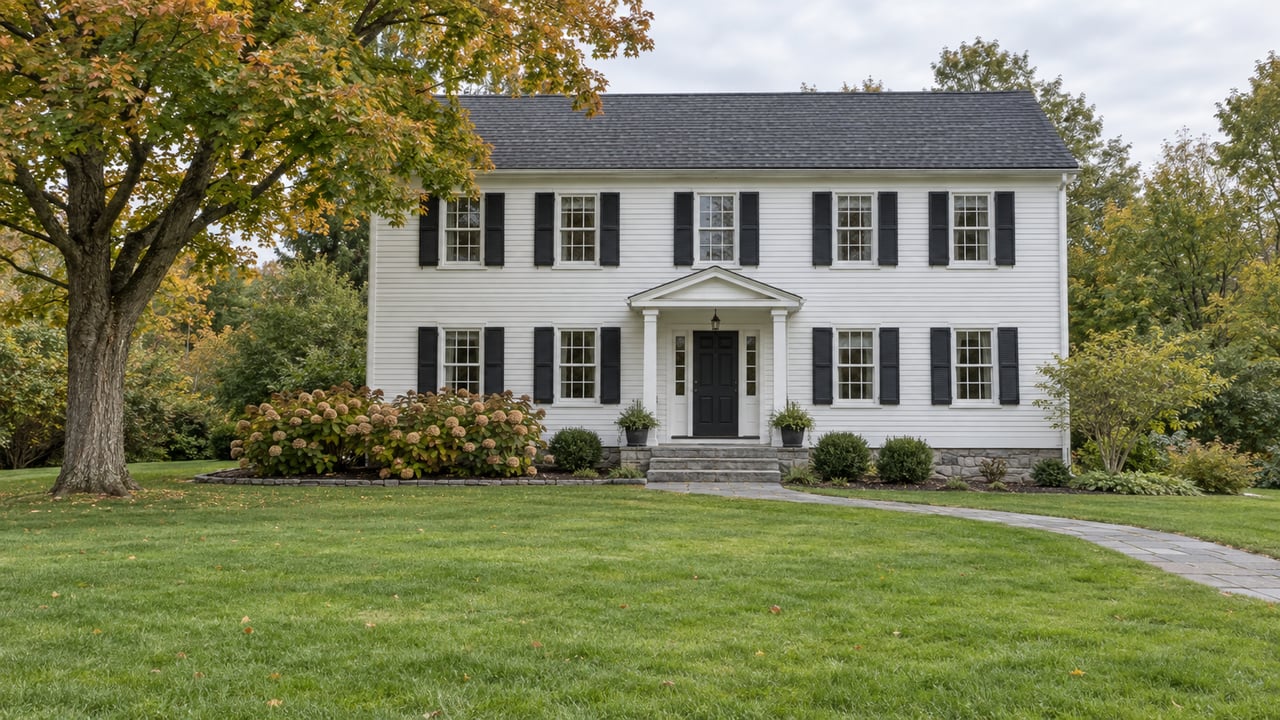
If you are thinking about selling a luxury home in New Canaan, pricing and preparation matter more than almost anything else. In a market where homes can range from the low millions to well above that, buyers notice value quickly and compare every detail. The good news is that you do not need to over-improve your property to stand out. You need a smart plan built around local comps, selective updates, and a polished launch. Let’s dive in.
Why New Canaan pricing needs precision
Luxury pricing in New Canaan is highly segment-specific. Current market snapshots show how different the numbers can look depending on the data set and property type. Redfin’s luxury-home data shows 65 luxury listings with a median listing price of $2.77 million, while an April 2026 local market report showed New Canaan single-family homes with a median sold price of $3.0 million, an average sold price of $3.6 million, an average price per square foot of $681, and sales at 103% of asking.
At the same time, Redfin’s broader city snapshot for all home types showed a lower March 2026 median sale price of $1.45 million and 159 median days on market. That gap is a reminder that broad averages can mislead luxury sellers. If your home is in the upper tier, your pricing strategy should come from comparable luxury sales, not town-wide averages.
Build price from the right comps
The best pricing strategy starts with the narrowest possible comp set. That means looking closely at recent sold homes with similar lot size, privacy, architectural style, finish level, and overall condition. In a market like New Canaan, these details can shift value in a meaningful way.
Valuations generally compare a property with recent sales of similar homes nearby and then adjust for differences like square footage, bedroom count, bathroom count, and features. For a luxury property, that same logic applies, but with even more attention to design, setting, and presentation. A larger number does not automatically mean a better list price if the comparable sales do not support it.
Days on market still matter
New Canaan is active, but it is not a market where every listing disappears overnight. Depending on the source, reported days on market range from 107 for single-family homes in one April 2026 local report to 159 for all homes in Redfin’s March 2026 city snapshot. That tells you one important thing: pricing is not something you can afford to guess at.
When a luxury home starts too high, it can lose momentum. Buyers in this segment tend to be informed and patient, and many are comparing several properties at once. A well-calibrated launch helps you capture attention early, when your listing is freshest.
What luxury buyers notice first
Luxury buyers are not just comparing square footage. They are also weighing lifestyle fit, ease of living, and how move-in ready a home feels. National buyer-preference data shows continued interest in outdoor living, strong kitchen functionality, and visible energy or technology upgrades.
Features that stand out include patios, landscaping, hardwood flooring, walk-in pantries, full baths on the main level, security cameras, programmable thermostats, video doorbells, multizone HVAC, energy management systems, outdoor fireplaces, outdoor kitchens, quartz counters, lighting control systems, and built-in kitchen seating. In practical terms, buyers often focus on the things they can quickly see online and confirm in person.
Focus on everyday luxury
In New Canaan, that often means indoor-outdoor flow, a strong kitchen, a comfortable primary suite, useful office or guest space, and obvious mechanical or smart-home updates. You do not need every trending feature to compete well. You do need the home to feel cared for, functional, and easy to step into.
This matters even more because many buyers today are equity-rich and comparison-shopping carefully. Nationally, the share of all-cash buyers recently reached a record high, while the share of first-time buyers hit a record low. That can translate into a more experienced buyer pool with high expectations.
What to fix before listing
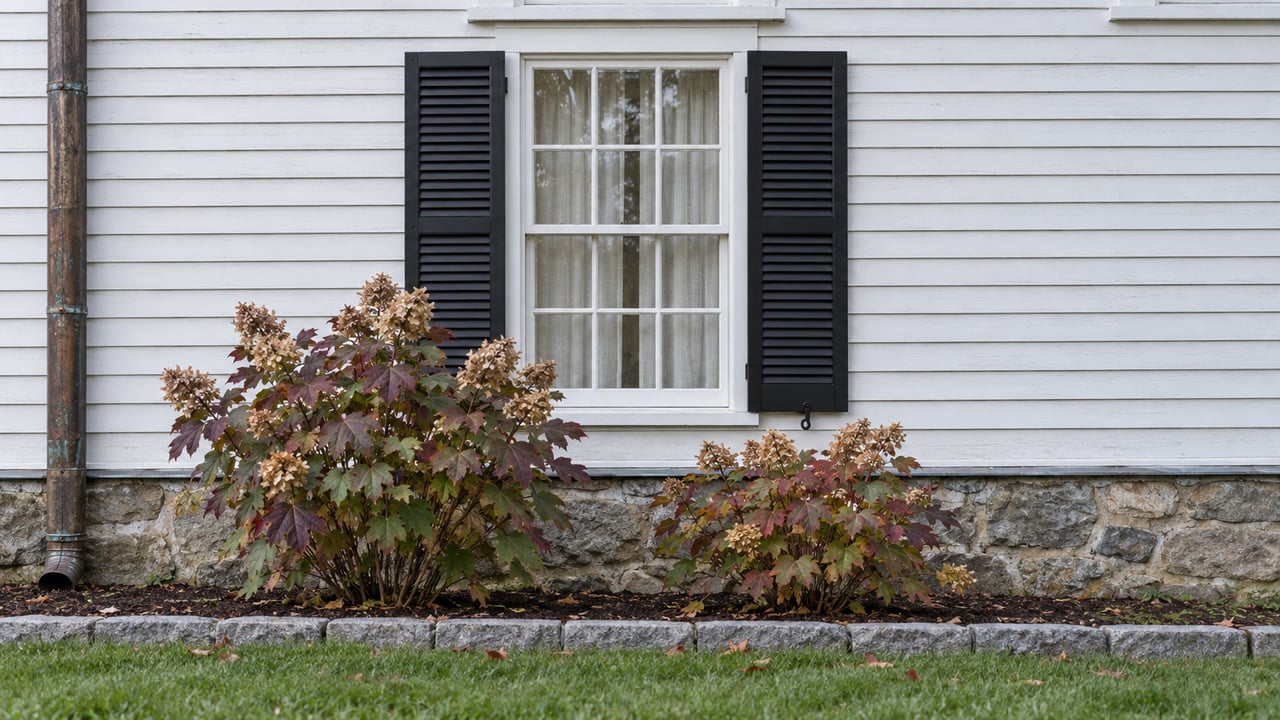
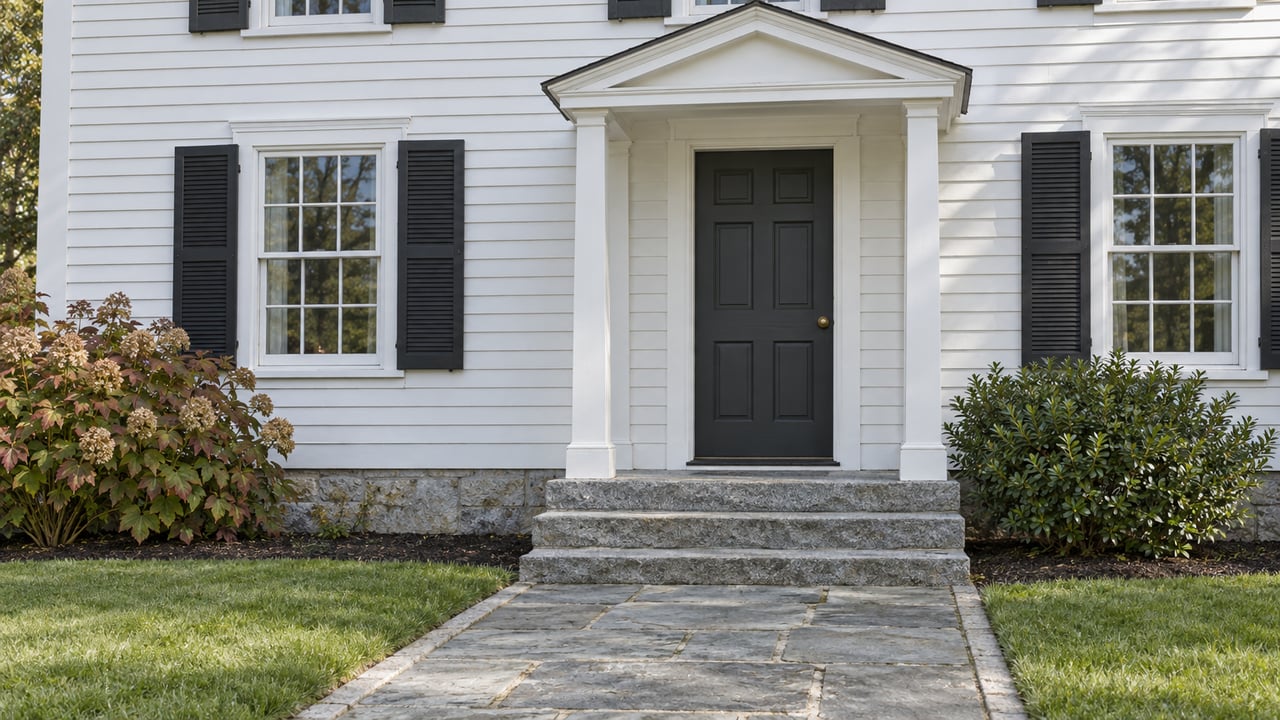
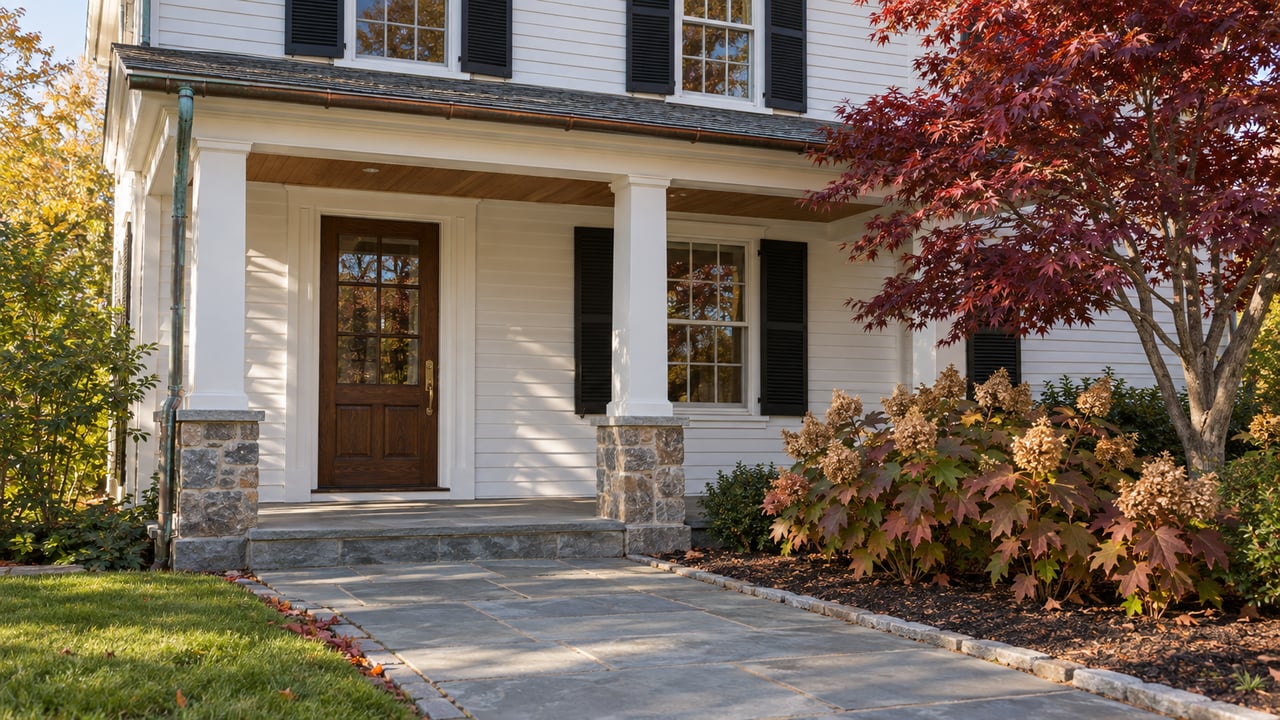
The highest-value prep work is usually the least flashy. Seller-focused staging research points to decluttering, whole-home cleaning, and curb appeal improvements as the most common and useful steps. Paint touch-ups, minor repairs, carpet cleaning, and landscaping are also frequent pre-listing recommendations.
For a luxury home, these steps do more than tidy the space. They reduce friction. Buyers can focus on the property itself instead of being distracted by maintenance items or signs of wear.
Prioritize visible quality
If you are deciding where to spend your prep budget, start with the improvements that are easy to see and easy to appreciate. These often include:
- Neutral paint touch-ups
- Repaired trim and hardware
- Cleaned windows
- Updated or brighter lighting
- Polished wood floors
- Freshened landscaping
- Kitchen and bath corrections that remove obvious wear
These updates help broaden appeal without making the home feel overly personalized. In the luxury segment, clean execution and consistency often matter more than dramatic changes.
Be cautious with major renovations
It is easy to assume that a large renovation will guarantee a higher sale price. In reality, buyers still anchor heavily on recent comparable sales. That means your renovation budget does not always translate dollar for dollar into market value.
A better approach is often to remove objections, improve presentation, and let the strongest parts of the home speak for themselves. The goal is not to create the most expensive version of the property. The goal is to make the home competitive within its exact market segment.
Stage the rooms that count most
Staging can make a meaningful difference in how buyers respond. In 2025 staging research, 83% of buyers’ agents said staging made it easier for buyers to picture the home as their future residence. Another 29% said staging led to a 1% to 10% increase in the dollar value offered.
For sellers, that matters because the emotional side of the decision is still powerful, even at higher price points. A buyer who can clearly imagine how the home lives is more likely to engage seriously.
Start with key spaces
The rooms most often staged are:
- Living room
- Primary bedroom
- Dining room
- Kitchen
If your budget is selective, bring these spaces to show-ready condition first. They tend to carry the strongest visual weight in both photography and in-person showings.
Staging does not need to feel theatrical. In fact, polished but believable styling is often the better fit for a New Canaan luxury listing. Buyers want a home that looks elevated, but still real.
Photography is part of pricing strategy
In a luxury market, online presentation is the first showing. Professional photography is not optional if you want your home to compete at a high level. Buyers’ agents place strong importance on photos, staging, video, and virtual tours, and sellers’ agents also emphasize photos and video as core listing tools.
That matters because buyers are more willing to walk through homes they have already seen online. By the time someone books a private showing, they often have a clear shortlist in mind. Your media package helps determine whether your home makes that list.
Launch only when the home is ready
A rushed listing can cost you momentum. It is usually better to wait until the property is cleaned, staged, photographed, and presented in a way that matches the price point. In New Canaan’s multi-million-dollar segment, buyers expect a polished introduction.
A realistic timeline can be six to twelve months if you are planning ahead. That gives you room for pricing analysis, selective repairs, staging decisions, and media production. Not every seller needs that much time, but many benefit from treating the launch as a process instead of a single date on the calendar.
A simple luxury selling plan
If you want to keep the process focused, this framework works well:
- Review recent sold comps in the same luxury band.
- Identify visible issues that could lower perceived value.
- Make selective repairs and cosmetic improvements.
- Stage the most important rooms.
- Produce professional photos and video.
- Launch at a price supported by the market, not just by hope.
This approach keeps your decisions grounded in real buyer behavior and real New Canaan market conditions. It also helps you protect the first impression, which is often the most valuable one.
The best strategy is market-aligned
Selling a luxury home in New Canaan is not about doing the most. It is about doing the right things in the right order. Thoughtful prep, disciplined pricing, and a strong presentation standard usually do more for your result than an expensive, last-minute overhaul.
If you are preparing to sell and want a confidential strategy tailored to your home, Dannel Malloy can help you evaluate pricing, presentation, and launch timing with a practical, high-touch approach.
FAQs
How should you price a luxury home in New Canaan?
- You should base pricing on recent sold homes with a similar lot, style, finish level, privacy, and condition, rather than relying on broad town-wide averages.
What repairs matter most before listing a New Canaan luxury home?
- The most useful pre-listing updates are usually decluttering, deep cleaning, curb appeal work, paint touch-ups, minor repairs, lighting improvements, and visible corrections in kitchens and baths.
Is staging worth it for a New Canaan luxury listing?
- Yes. Staging can help buyers picture themselves in the home, and research shows it may support stronger offers and faster sales.
Which rooms should you stage before selling a luxury home?
- The living room, primary bedroom, dining room, and kitchen are the most commonly staged rooms and usually deserve the most attention.
Why does professional photography matter for a luxury home sale?
- Professional photography matters because online presentation often shapes whether buyers decide to schedule a showing, especially in a high-end market.
Should you renovate a luxury home before selling in New Canaan?
- Not always. Major renovations should be weighed carefully because buyers still look closely at comparable sales, so selective improvements often make more sense than large projects.