Trying to choose between Fairfield Beach and the University area? In Fairfield, that decision can shape not just your budget, but also how you live day to day. If you are weighing shoreline lifestyle against central convenience, this guide will help you compare price, housing style, location, and practical trade-offs so you can move forward with more confidence. Let’s dive in.
Fairfield market context
Before you compare these two areas, it helps to understand the broader Fairfield market. Fairfield remains a competitive and relatively high-priced market, with Realtor.com reporting a median listing price of $1.21M, median rent of $3.9K, and homes selling in a median of 28 days. Zillow’s citywide snapshot also shows an average home value of $953,623 and homes pending in around 7 days.
That pace matters because both Fairfield Beach and the University area sit within a market where well-positioned homes can move quickly. The difference is that these two areas often appeal to different priorities. One tends to center on coastal living, while the other leans more toward value and everyday convenience.
Fairfield Beach at a glance
Fairfield Beach is about shoreline living first. The town notes that Fairfield has five miles of coastline and five beaches, with public access and seasonal parking rules that vary by beach. That coastal setting gives the area a distinct rhythm tied to the water, beach access, and outdoor recreation.
Neighborhood data also shows that Fairfield Beach sits at the higher end of the local pricing spectrum. Homes.com reports a 12-month median sale price of $1.55M and median rent of $9,000, while Realtor.com shows a Fairfield Beach listing median of $2.2475M. Even allowing for different data methods, the overall picture is clear: the beach area comes with a significant price premium.
Fairfield Beach housing stock
The housing mix in Fairfield Beach reflects its location. You will find condos, cottages, coastal traditional homes, mid-century ranches and Cape Cods, along with newer elevated homes closer to the water. Homes.com reports an average home value of about $1.62M and an average price per square foot of $716.
Lot sizes also tend to be tighter near the shoreline. Homes.com puts the median lot size at 7,840 square feet, which supports the area’s denser coastal footprint. If you want to be near the beach, this is often part of the trade-off.
Fairfield Beach lifestyle considerations
The biggest draw is lifestyle. If you picture easy access to the shoreline, boating, beach events, and a stronger vacation-like feel, Fairfield Beach lines up well with that vision. For many buyers, the premium is tied as much to day-to-day experience as it is to the home itself.
The main caution is coastal exposure. Homes.com notes that the area changed significantly after Superstorm Sandy, with many homes rebuilt higher off the ground, and it cites severe or extreme flood risk near the coast. FEMA also advises buyers to review official flood maps, since flood risk can affect insurance and mortgage requirements.
University area at a glance
The University area offers a different kind of appeal. Centered around Fairfield University, it feels more like a traditional, centrally located suburban neighborhood with a practical daily setup. Homes.com describes it as a quiet Fairfield suburb with younger energy, close to Post Road and within roughly 2 miles of downtown Fairfield and Jennings Beach.
This area usually offers a more approachable price point than Fairfield Beach. Homes.com reports a 12-month median sale price of $885,000, median rent of $3,400, and an average price per square foot of $515. For buyers comparing budgets carefully, that gap can be meaningful.
University area housing stock
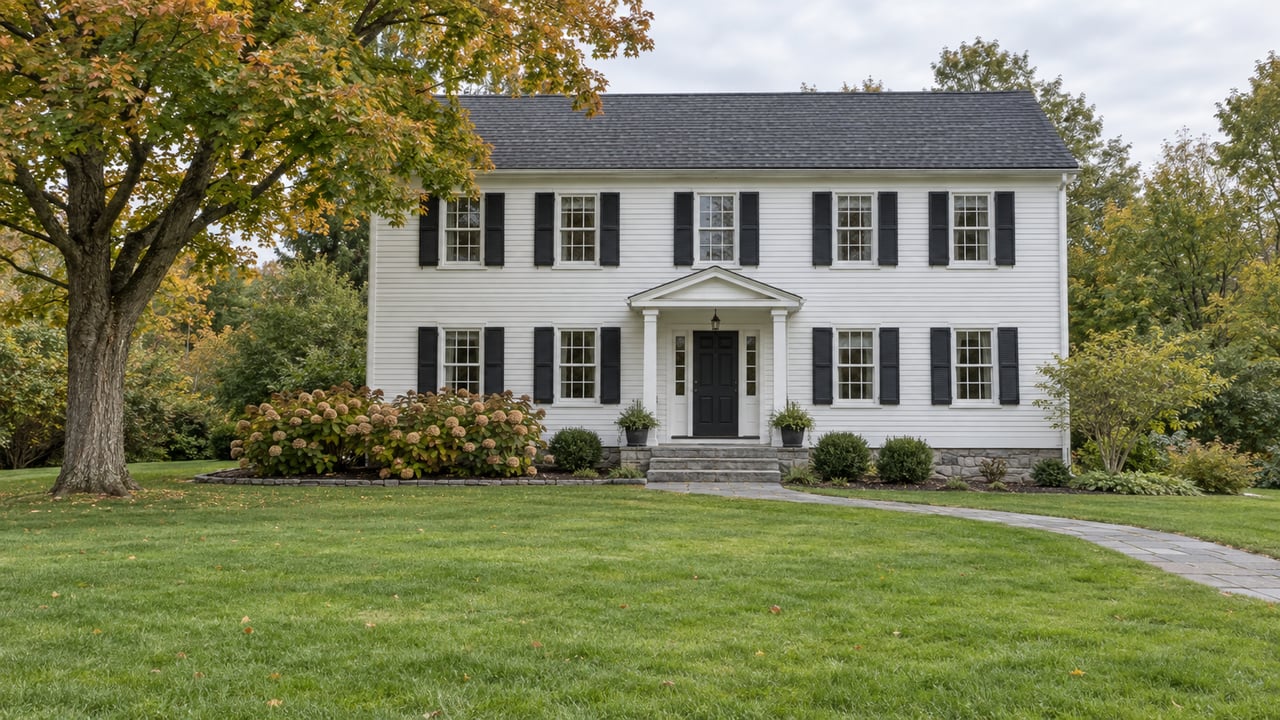
In the University area, the housing stock leans classic New England. You are more likely to see ranches, Cape Cods, split-levels, Colonial Revivals, and newer contemporary homes. The overall feel is more conventional and suburban than what you typically find near the shoreline.
Lots also tend to be larger here. Homes.com reports a median lot size of 10,890 square feet, which is noticeably larger than Fairfield Beach. That extra space can matter if you value yard size, a more traditional neighborhood layout, or room to grow into a home over time.
University area lifestyle considerations
Convenience is a major strength of the University area. You are closer to Post Road, near downtown Fairfield, and still within reach of Jennings Beach. That balance can make daily errands, commuting around town, and general routines feel simpler.
The trade-off is that you do not get the same immediate waterfront identity. If the beach is central to how you want to live, the University area may feel more practical than aspirational. For many buyers, though, practicality is exactly the point.
Side-by-side comparison
If you are deciding between the two, the clearest differences come down to price, setting, and risk profile.
| Factor | Fairfield Beach | University Area |
|---|---|---|
| 12-month median sale price | $1.55M | $885,000 |
| Median rent | $9,000 | $3,400 |
| Average price per sq. ft. | $716 | $515 |
| Median lot size | 7,840 sq. ft. | 10,890 sq. ft. |
| Overall feel | Coastal and lifestyle-driven | Central and convenience-driven |
| Key trade-off | Flood and insurance considerations | Less direct waterfront identity |
This comparison does not mean one area is better than the other. It means each serves a different goal. Your best fit depends on whether you prioritize shoreline living or a more central and cost-conscious setup.
Choose based on your priorities
Choose Fairfield Beach for lifestyle
Fairfield Beach may be the better fit if your home search starts with the water. You may prefer it if beach access, boating, and a stronger coastal identity are part of your everyday vision. In that case, paying more may feel justified because the location delivers a very specific lifestyle.
You should also be prepared to evaluate coastal risk carefully. That means looking closely at flood maps, insurance implications, and the condition or elevation of the home. In a shoreline market, those details are not minor.
Choose the University area for value
The University area may make more sense if you want a lower entry price and more space for the money. It can be a strong fit if your goals center on convenience, central location, and a more traditional suburban housing mix. For many buyers, that combination creates more flexibility without leaving Fairfield.
This area can also appeal if you want a neighborhood that feels grounded in year-round daily living. You are still close to downtown and beach access, but the experience is more about practical proximity than waterfront identity.
What buyers should think through
When you compare these two Fairfield areas, try to focus on how you want to live rather than just what looks best on paper. A lower price does not always mean better value for your needs, and a premium location is not always worth it if the trade-offs do not match your comfort level.
A few questions can help you narrow the choice:
- Do you want the beach to be part of your daily routine or just an occasional outing?
- Is your budget more comfortable in the University area price range?
- How important are larger lot sizes and a more conventional suburban layout?
- Are you comfortable reviewing flood-zone and insurance considerations for a coastal property?
- Do you prefer a vacation-like atmosphere or a more central everyday setup?
Answering those questions honestly can make the decision much clearer. In Fairfield, both areas have strong appeal, but they offer very different versions of it.
The bottom line
Fairfield Beach is generally the better fit if you are buying for lifestyle, water proximity, and a premium coastal setting. The University area is often the better fit if you want a more approachable price point, larger lots, and central convenience. Neither choice is universally right. The right choice is the one that best aligns with your budget, priorities, and comfort with each area’s trade-offs.
If you want help comparing Fairfield micro-markets with a practical, local lens, Dannel Malloy can help you evaluate your options and move with confidence.
FAQs
What is the price difference between Fairfield Beach and the University area?
- Homes.com reports a 12-month median sale price of $1.55M in Fairfield Beach versus $885,000 in the University area, making Fairfield Beach the more expensive option.
Is Fairfield Beach or the University area better for everyday convenience?
- The University area is generally better for everyday convenience because it is close to Post Road, downtown Fairfield, and still within reach of Jennings Beach.
What are the main risks to consider when buying in Fairfield Beach?
- The main concern is coastal exposure, including flood risk that may affect insurance and mortgage requirements, so reviewing official flood maps is an important step.
Does the University area have larger lots than Fairfield Beach?
- Yes. Homes.com reports a median lot size of 10,890 square feet in the University area compared with 7,840 square feet in Fairfield Beach.
Which Fairfield area is better if you want a waterfront lifestyle?
- Fairfield Beach is the stronger fit if you want shoreline access, boating, and a more coastal day-to-day lifestyle.