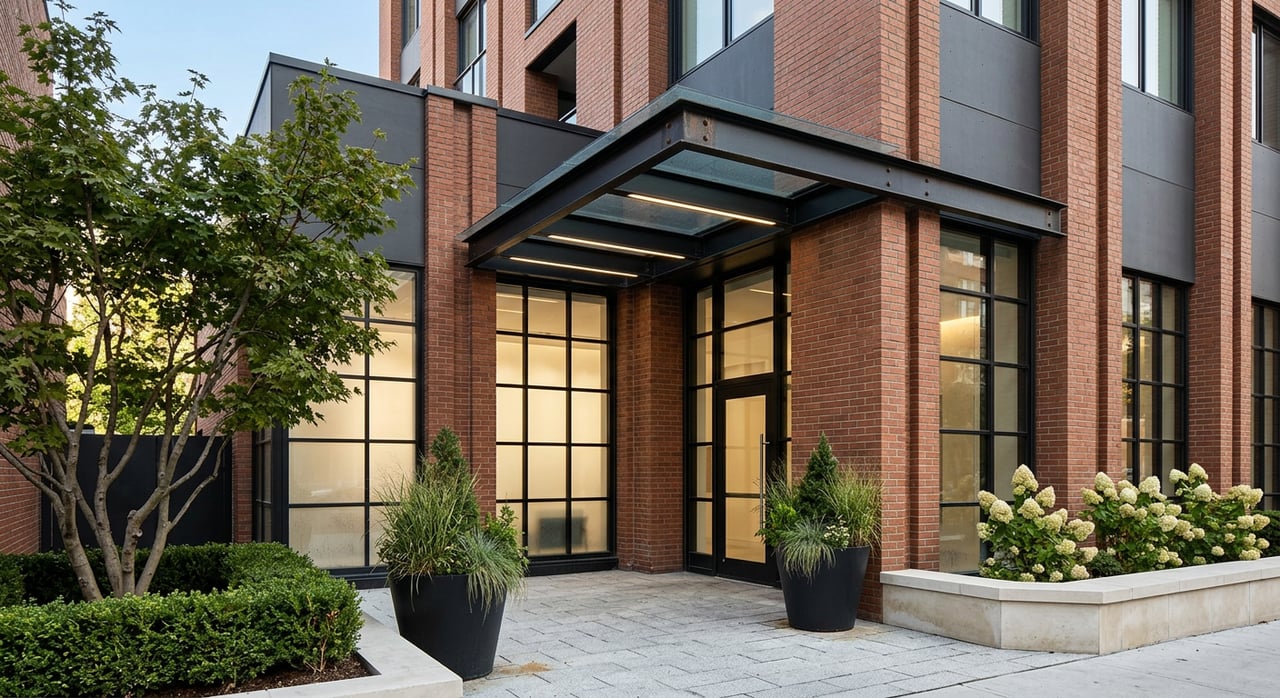
You want a condo that makes your workweek easier and your downtime better. In Stamford, that usually means choosing between Harbor Point’s waterfront energy and Downtown’s right‑by‑the‑station convenience. The good news is that both are commuter‑friendly and offer strong amenities. In this guide, you’ll see how commute times, walkability, lifestyle, buildings, HOAs, and pricing compare so you can pick the best fit for your routine. Let’s dive in.
Quick neighborhood overview
Harbor Point at a glance
Harbor Point is a master‑planned waterfront community in the South End with thousands of new and converted residences within a short walk of the Stamford Transportation Center. The state’s redevelopment materials describe the area as roughly a 10‑minute walk to the station, with mid‑rise buildings, loft conversions, townhomes, and amenity‑rich projects throughout the district. You’ll find marinas, a multi‑use boardwalk, and seasonal programming that draw residents and visitors alike. Explore the neighborhood’s marina and boardwalk features on the Harbor Point marinas and amenities page and learn more about the broader redevelopment on the state’s Harbor Point overview.
Downtown Stamford at a glance
Downtown is Stamford’s Central Business District anchored by Mill River Park, Stamford Town Center, and a dense corridor of restaurants and services. The Stamford Transportation Center (STC) sits on the station‑side edge of downtown and functions as the city’s main transit hub with Metro‑North, Amtrak, buses, and parking decks, as outlined on the official STC site. Mill River Park offers a central green for events and recreation, adding to the neighborhood’s appeal for errands and after‑work time; see highlights from Mill River Park’s listing.
Commuting to NYC: what to expect
Train times and service patterns
From Stamford to Grand Central, peak express Metro‑North trains commonly land in the about 45 to 60 minutes range, while local or off‑peak runs can be about 55 to 75 minutes depending on stops. Run times shift with schedule adjustments, so verify your target train before you tour or test a commute. Metro‑North updates timetables periodically, which you can track via MTA’s service announcements. STC is also a stop for Amtrak, which can be faster for specific trips to Penn Station or intercity destinations, though daily commuting costs are higher; the STC overview outlines the multi‑modal options.
Last‑mile: door‑to‑platform reality
If shaving minutes off your walk to the train is your top priority, Downtown units closest to STC often win by a few minutes. Many buildings sit within a 5 to 15 minute walk of the platforms along highly walkable streets. Harbor Point is also very commute‑friendly and broadly described as about a 10‑minute walk to STC, with seasonal water features and building shuttles in some complexes. The practical move is to test the exact walk from your candidate building and note bridge or crosswalk timing during peak hours; the state’s Harbor Point materials confirm the short‑walk context for the district in general via the Harbor Point redevelopment overview.
Routing by job location
Metro‑North serves Grand Central, which is efficient for Midtown and Midtown East. Amtrak serves Penn Station from STC and is useful for occasional trips to that side of Manhattan or beyond, though fares are higher for daily use. If you need to combine modes, STC’s bus connections and garages are detailed on the official station page.
Lifestyle and after‑work convenience
Harbor Point: waterfront energy
Harbor Point leans into the waterfront lifestyle. You get a boardwalk, marinas, and seasonal events that make warm months lively. The dining scene includes popular spots like Sign of the Whale’s rooftop, a frequent pick for sunset views and weekend meetups; see hours and details on Sign of the Whale’s listing. If you enjoy morning runs by the water, after‑work outdoor time, and newer amenity packages, Harbor Point checks the boxes.
Downtown: walkable errands and parks
Downtown offers Mill River Park for green space, theaters and shopping for quick errands, and a concentrated restaurant and bar scene for easy weeknights. Business improvement district services help support lighting, cleaning, and events that keep the streets active. If you want short walk times to the train and a deep bench of everyday conveniences, Downtown makes the routine simple. Explore the park’s features via Mill River Park’s overview.
Noise and nightlife notes
Neither area is a quiet suburb. Harbor Point’s waterfront venues and seasonal programming can be lively, and Downtown concentrates more bars and events. If you are sensitive to weekend noise, visit your short list of buildings at night to understand real‑world sound levels and building insulation.
Buildings, HOAs, and monthly costs
Harbor Point building patterns
Harbor Point combines new mid‑rise rental communities, historic loft conversions like Yale & Towne, townhouse clusters, and a smaller share of owner‑occupied condos relative to rentals in many blocks. Amenity packages are a major emphasis, often including rooftop lounges, pools, gyms, and concierge services. The district’s master‑planned context and newer construction profile are summarized in the state’s Harbor Point overview.
Downtown building patterns
Downtown is home to modern high‑rise condominiums, older mid‑rise condo buildings, and luxury towers with amenities such as concierge, pool, and fitness centers. You will find a wider spread of HOA structures downtown, particularly in purpose‑built condo associations that package building services and amenities into monthly dues.
Understanding HOA dues
Monthly HOAs vary widely by building and what they include. For example, some waterfront townhouse‑style condos in the Harbor/Shippan area have shown HOA dues around the mid‑hundreds per month with heat and hot water included. In contrast, high‑amenity Downtown towers have shown HOA dues well above a thousand dollars per month that help fund 24/7 services and facilities like pools and shuttles. The takeaway: your monthly carrying cost reflects the amenity set and utility coverage. Always request the HOA disclosure, recent meeting minutes, reserve study, and a breakdown of what utilities are included before you make an offer.
Pricing ranges you’ll actually see
Both neighborhoods span a broad range, from smaller, older Downtown units in the lower six figures to larger, newer or waterfront homes and penthouses in the high six to seven figures. Neighborhood medians can vary by data provider and timeframe, which is why pulling current, building‑specific comps at the time you shop is essential. Expect premium per‑square‑foot pricing for newer construction, higher floors with views, and waterfront proximity. For Harbor Point and any waterfront property, factor in coastal risk and confirm flood zone, elevation, and insurance early in your process.
Parking and storage
Both areas offer building garages and access to municipal options near the station. If you need two parking spaces, confirm availability and whether stalls are assigned or deeded at your target building. If your plan includes station parking, review the Stamford Transportation Center’s deck and permit details on the official STC page.
What’s changing around the station
CTDOT’s planning for the Stamford Transportation Center aims to improve station circulation and first/last‑mile connections. These improvements can enhance day‑to‑day convenience and support long‑term neighborhood value. You can monitor progress and planning updates via the STC Master Plan and TOD project page.
Tour checklist for commuters
Use this simple, commuter‑centric checklist when you schedule showings:
- Time the trip: On a weekday morning, walk from the building to STC and ride the actual inbound train you’d use. Repeat for the evening return. Verify train times the day you travel using the MTA’s apps or service announcements.
- Pull HOA documents: Ask for current dues, exactly which utilities are included, reserve study, recent minutes, and any planned assessments. Confirm pet rules and amenity hours.
- Night and weekend visit: Check noise, lighting, and activity along your route to the station. If Harbor Point is on your list, see how waterfront venues like Sign of the Whale affect sound at peak times.
- Flood and insurance check: For Harbor Point or any waterfront unit, confirm the property’s flood zone and elevation, and price insurance early so there are no surprises.
- Parking plan: Verify whether building garage stalls are assigned or deeded. If you need station parking, review options and any permit requirements on the STC site.
Harbor Point vs Downtown: quick picks
- Choose Harbor Point if you want a waterfront lifestyle, newer construction, and on‑site amenities, and you are comfortable with a short walk or quick ride to STC.
- Choose Downtown if minimizing door‑to‑platform time, walkable errands, and immediate access to parks, shops, and dining are your priorities.
- Both areas are commuter‑friendly. Verify your train pattern, test the walk during a weekday peak, and compare HOA coverage and parking before you decide.
Next steps
Every commute and lifestyle is different. If you want building‑specific guidance, live comps, and a private tour plan tailored to your work schedule, reach out for discreet, local help. The Dannel Malloy Team pairs Stamford‑native insight with the marketing depth of Nest Seekers to make your next move efficient and confident. Connect with Dannel Malloy to start your search or request a confidential valuation for a condo you plan to sell.
FAQs
How long is the Stamford to Grand Central commute on Metro‑North?
- During peak periods, express trains commonly land in about 45 to 60 minutes, while local or off‑peak runs can take about 55 to 75 minutes. Always confirm your target train with current MTA schedules.
Is Harbor Point walkable to the Stamford Transportation Center?
- Yes. State materials describe Harbor Point as roughly a 10‑minute walk to STC. Walk times vary by building, so time the exact route during a weekday peak.
What lifestyle differences matter most for commuters choosing between Harbor Point and Downtown?
- Harbor Point offers a waterfront boardwalk, marinas, and newer amenity packages. Downtown delivers shorter walks to STC for many buildings, Mill River Park access, and concentrated dining and services.
How do HOA dues compare across Stamford condo buildings?
- HOAs vary widely by building and what is included. Some townhouse‑style or older mid‑rise associations have lower dues that include certain utilities, while luxury towers charge higher dues for concierge‑level services.
Is there parking near the Stamford Transportation Center?
- Yes. STC has multiple parking decks and is served by buses and rideshare. If you need station parking, review options and permit details on the official STC site.