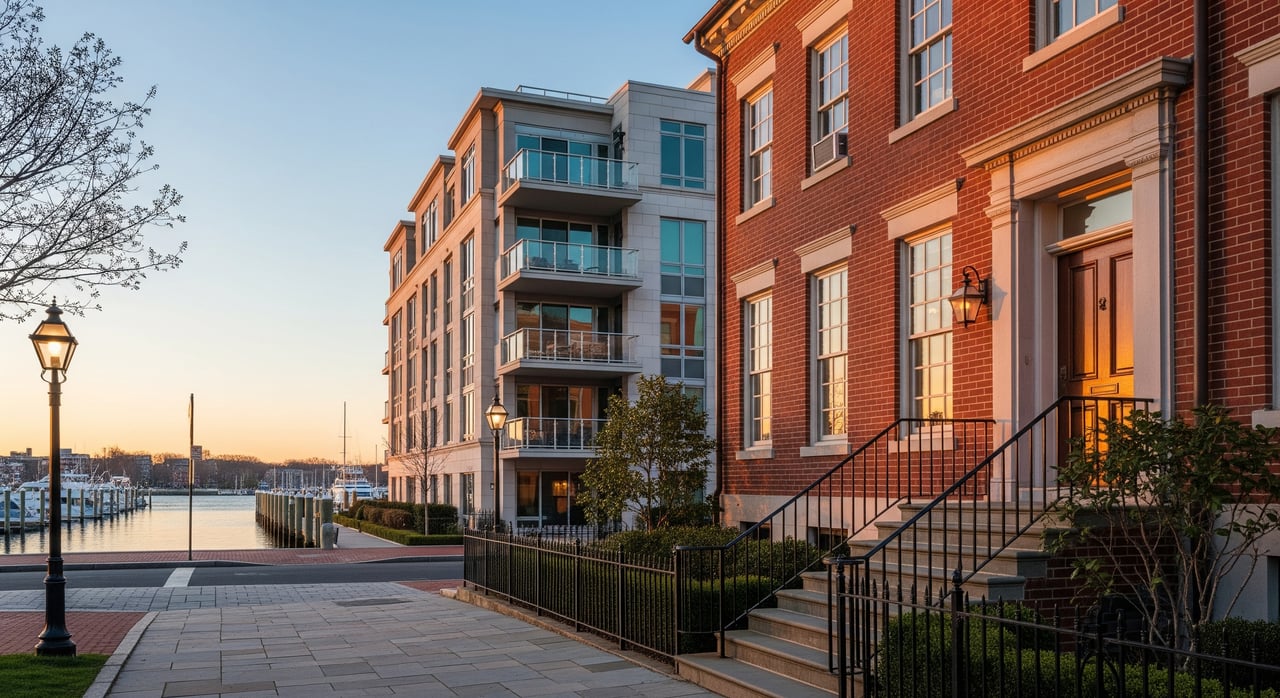
Trying to decide between a condo and a townhouse in Norwalk? You are not alone. The right choice comes down to what you value day to day, how you want to handle maintenance, and how monthly costs line up with your budget. In this guide, you will learn the key differences in ownership, fees, financing, and lifestyle in Norwalk, plus a simple checklist to use before you tour. Let’s dive in.
Condo vs. townhouse at a glance
Both options can work well in Norwalk, but they are structured differently. Condos focus your ownership inside the unit, with shared ownership of common elements. Townhouses can be fee simple or condo-style, which affects what you maintain and insure. Your lender, your insurance, and your rules for pets and rentals all flow from that legal structure.
Ownership and governance: what you own
Condominiums
- You own your individual unit’s interior and an undivided interest in common elements like the roof, halls, grounds, and amenities.
- A condo association governs rules and collects monthly assessments for shared expenses.
- The association’s declaration and rules define boundaries, responsibilities, and community policies.
Townhouses
- A townhouse can be fee simple, where you own the unit and the land beneath it, often under an HOA with shared rules.
- Some townhouses are legally condominium units in a townhouse layout. Responsibilities then mirror a condo.
- Always confirm the legal form for any specific townhouse community before you offer.
Why the distinction matters
- Maintenance: Who handles exterior work, roofing, driveways, and landscaping depends on the legal form and the governing documents.
- Insurance: Coverage differs between an association master policy and what you need to carry individually.
- Lending and rules: Lenders review association health for condos, and associations set rules for rentals, pets, and use.
What to review in the documents
- Declaration/CC&Rs and Bylaws.
- House rules, pet policy, rental policy.
- Current budget, reserve fund balance, and recent financials.
- Board minutes, pending or recent litigation, and any special assessments.
Monthly costs, financing, and insurance
What HOA/condo fees may include
- Common exterior maintenance, roof, landscaping, snow removal.
- Building insurance on common elements, garbage removal, common utilities.
- Amenities like a gym, pool, elevator service, or security where available.
Items often excluded: Your interior systems and appliances, window treatments, and some utilities. Utilities may be master billed or separately metered, so confirm what you pay directly.
Hidden fee drivers to watch
- Underfunded reserves that lead to special assessments.
- Large shared systems like septic, private roads, or central heating.
- Heat and hot water arrangements that can shift costs between owners and the association.
Financing differences
- Condos: Many lenders evaluate owner-occupancy levels and association financials. Some loan programs look for project approvals.
- Townhouses: Fee-simple townhouses often underwrite like single-family homes, but lenders may still review HOA health when the HOA handles exterior elements.
- Down payment and PMI depend on your loan type and profile. Project issues in condos can change what a lender will allow.
Insurance basics
- Condos: You typically carry an HO-6 policy for interior coverage, personal property, and liability, while the association carries a master policy for common elements. Check master policy deductibles and gaps.
- Fee-simple townhouses: You typically carry a full dwelling policy similar to a single-family home.
- For both: Confirm whether the association can pass through a deductible after certain claims.
Taxes and assessments
- Property taxes are set locally and affect your monthly budget. Association dues are not property taxes.
- Special assessments are extra charges for capital repairs. They can be large and time sensitive, so review history and reserves carefully.
Lifestyle trade-offs in Norwalk
Walkable SoNo condos
- Expect convenience to restaurants, galleries, and the harbor, plus easier access to Metro-North.
- Tradeoffs can include smaller private outdoor spaces and potential limitations on on-site parking.
- Higher building density can mean more shared walls and more ambient noise.
Suburban townhouses across Norwalk
- More likely to offer attached garages, private driveways, and additional storage.
- Lower building density can provide more privacy and a bit of yard space.
- Some communities handle exterior work; others leave landscaping and exterior repairs to owners.
Parking and storage
- SoNo/downtown condos may have deeded or assigned spaces, or use municipal permits. Confirm your space count and guest parking rules.
- Suburban townhouses often include garage parking and driveways. Verify deeded or assigned parking language.
Pets, rentals, and short-term stays
- Associations commonly set pet rules and may cap short-term rentals. Read the declaration and rules to confirm what is allowed.
Accessibility
- Low-rise condos with elevators can be easier for mobility. Many townhouses have multiple levels and stairs, so assess layout and entry thresholds during tours.
Norwalk location factors to consider
Commute and stations
- Proximity to Metro-North stations is a frequent deciding factor for Fairfield County buyers. Balance walkability against parking and space needs.
Flood risk and coastal proximity
- Properties near Long Island Sound or tidal waterways may sit in FEMA flood zones. Assess elevation and potential flood insurance requirements, especially for waterfront or near-water buildings.
Taxes and municipal permits
- Property tax mill rates affect carrying costs. In SoNo, learn local parking enforcement and permit requirements if on-street or municipal parking is part of your routine.
Schools and resale
- If school zoning matters to you, check current district boundaries and nearby options. Keep references to schools neutral and rely on official information.
Zoning and future development
- Infill or redevelopment can change noise and parking conditions. Review recent approvals nearby to understand what could change around you.
How to narrow your search
- Step 1: Choose your lifestyle. If you want walkability and low exterior upkeep, lean condo. If you want a garage, private outdoor space, and fewer shared walls, lean townhouse.
- Step 2: Set a monthly cap. Add mortgage, HOA/dues, insurance, taxes, and utilities. Decide your maximum HOA fee and appetite for special assessment risk.
- Step 3: Map commute and schools. Filter by station access and any school zoning needs.
- Step 4: Plan parking and storage. Decide how many spaces you need and whether a garage is essential.
- Step 5: Confirm pets and rentals. Make sure the community rules match your plans.
Questions to ask before you tour
- What is the legal ownership form: condominium or fee simple with an HOA?
- What do monthly fees include? Are heat or hot water included?
- Is there a current reserve study, and how well are reserves funded?
- Any special assessments in the last 5 years or expected soon?
- Any pending lawsuits involving the association?
- What is the owner-occupancy percentage?
- What are the rental and short-term rental rules?
- How many deeded or assigned parking spaces come with the unit? How is guest parking handled?
- What are the pet rules, including size or number limits?
- Is the association self-managed or professionally managed?
Documents to request during due diligence
- Declaration/CC&Rs, Bylaws, Rules and Regulations.
- Current budget, most recent financials, and a statement showing reserve balances.
- Latest reserve study and capital repair schedule.
- Board meeting minutes for the last 12 to 24 months.
- Master insurance certificate with coverage and deductibles.
- Estoppel letter confirming owner account status and pending assessments.
- Rental policy and pet policy.
- Any engineering or inspection reports for major repairs.
What to check during a tour
- Interior: Water pressure, plumbing, HVAC age and service records, signs of leaks, window condition, electrical panel, odors, and visible mold.
- Exterior/building: Roof, gutters, siding or masonry, balcony integrity, signs of settling, and pavement condition.
- Common areas: Cleanliness, lighting, elevator condition, and security systems.
- Site factors: Proximity to restaurants and traffic noise, and distance to waterfront if flood risk is a concern.
Financing and closing tips
- Have your lender review association documents early, especially for condos.
- Include a contingency to review HOA/condo documents and receive the estoppel.
- If a property sits in a FEMA flood zone, plan for flood insurance and lender requirements.
Buying in Norwalk is about fit. If you want lock-and-leave convenience near SoNo, a condo may be ideal. If you prefer more space, a garage, and fewer shared walls, a townhouse could be the better match. When you are ready to compare real options side by side, connect with Dannel Malloy for confidential, local guidance.
FAQs
What costs do Norwalk condo fees usually cover?
- They commonly cover exterior maintenance, roof, landscaping, snow removal, insurance on common elements, garbage, and common-area utilities, with variations by community.
Are townhouses in Norwalk always fee simple?
- No. Some are fee simple with an HOA, while others are condominium-form townhouses; always confirm the legal structure before you offer.
Can you use FHA or VA financing on Norwalk condos?
- Often yes, but some loan programs require project approvals and specific association financials; discuss condo lending with your lender early.
How does parking typically work at SoNo condos?
- Parking may be deeded or assigned, or you may rely on municipal or permitted street parking; verify your spaces and guest parking rules in writing.
Are condos cheaper per month than townhouses?
- Not always. Condos can have higher monthly fees to cover shared services and amenities, while fee-simple townhouses may shift more costs to individual owners.
Can I rent out a Norwalk condo or townhouse?
- It depends on the association’s declaration and rules. Many communities limit short-term rentals and may cap the share of rental units.