If you work in Manhattan and want the space and calm of Wilton, you’re likely weighing one big question: will the commute work for your life. You’re not alone. Many buyers balance train time, parking, and housing style with hybrid or daily schedules. This guide shows you how Wilton’s neighborhoods line up with real-world commute choices, from walk-to-train living to drive-to-express strategies. You’ll see travel time ranges, station parking facts, and how Wilton compares with Westport, Norwalk, and Stamford. Let’s dive in.
How Wilton commutes really work
Wilton sits on the Metro-North Danbury Branch, a diesel branch of the New Haven Line with fewer trains and more transfers than the main line. Many riders change at South Norwalk or Stamford for frequent service into Grand Central. If you’re new to the area, that operating setup is the key tradeoff for Wilton buyers who want more space but still need NYC access. You can read more about the branch’s patterns on the Danbury Branch overview.
Wilton has two stations in town:
- Wilton station in the town center with an island platform and about 212 parking spaces.
- Cannondale station in a small historic village setting with about 140 parking spaces.
Parking is managed locally and by the state in coordination with the town. Permit and daily rules can change, and there may be waitlists. Check current procedures with the Town of Wilton.
For first and last mile options, Norwalk Transit’s WHEELS system runs Route 7 corridor service and commuter shuttles that link business parks and South Norwalk. This helps some Wilton commuters connect to faster New Haven Line trains. See Norwalk Transit for current routes.
Typical door-to-Grand Central times from Wilton (including a likely transfer) often run about 75 to 95 minutes, depending on your connection and schedule. That is the baseline to compare against the main line hubs further south.
Best Wilton neighborhoods for NYC commuters
Wilton Center and Route 33
If you want a village lifestyle and a short walk to the platform, Wilton Center is your top pick. Parts of downtown are walkable to Wilton station, and the lot is adjacent to the platform. You’ll find restaurants, coffee, and services that fit a hybrid routine.
- Commute style: Walk-to-train or quick bike ride. Expect Danbury Branch frequency and a likely transfer at South Norwalk or Stamford on many trips.
- Typical travel time: Often in the 75 to 95 minute range to Grand Central, depending on connections.
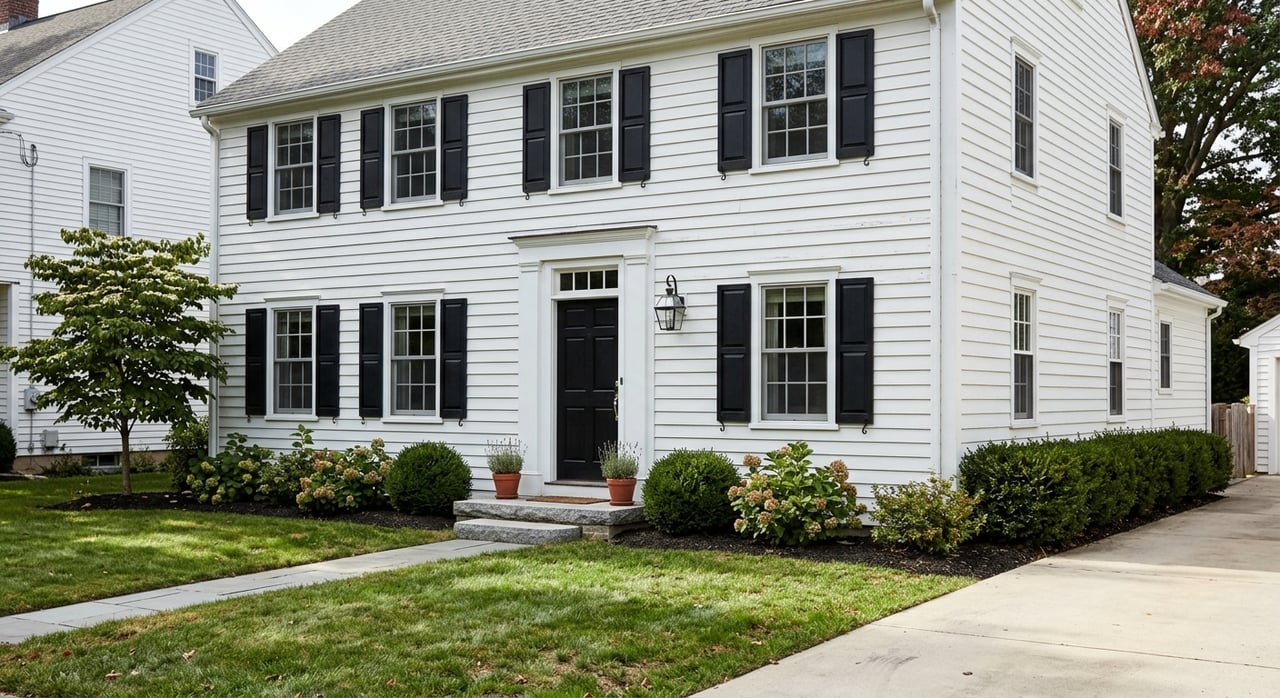
- Housing: Mostly single-family homes on smaller village lots, with some small multifamily and apartments near the center.
- Parking: About 212 spaces at Wilton station; confirm permits with the Town of Wilton.
Cannondale village
Cannondale offers a historic, small-village feel right by the platform. The station’s setting is charming and station-centric, with a smaller lot and quieter streets. See photos and recent platform views on The SubwayNut’s Cannondale page.
- Commute style: Walk-to-train for northern Wilton, accepting Danbury Branch frequency limits. Transfers are common.
- Typical travel time: Similar to Wilton Center given the same branch and transfer patterns.
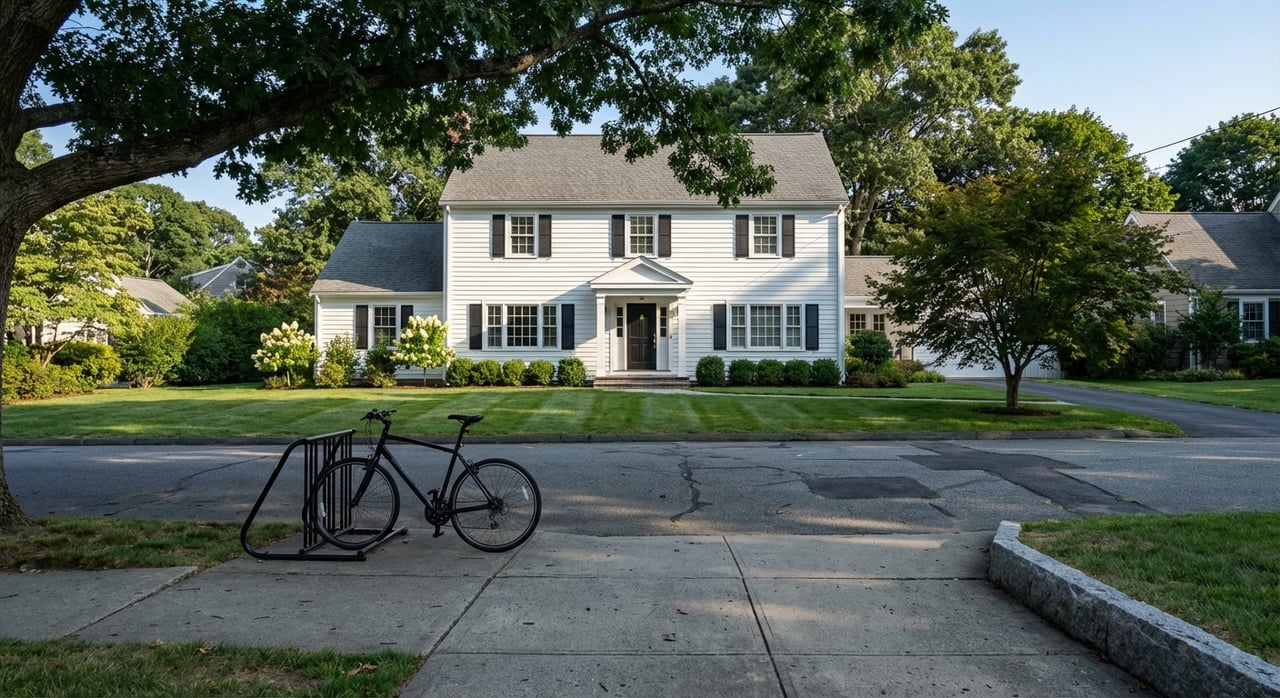
- Housing: Older Victorian cottages close in, plus mid-century colonials and newer renovations on larger lots a short drive away.
- Parking: About 140 spaces at Cannondale; check current rules with the Town of Wilton.
South Wilton and the US‑7 corridor
If you want faster service most days, many commuters in South Wilton drive to South Norwalk, Westport, or Stamford to catch main line express trains. The Route 7 corridor also has Norwalk Transit’s Route 7 Link buses, which connect to South Norwalk. Some local guides mention a Park & Ride lot on Danbury Road that commuters use; treat that as a practical option to explore and confirm locally. A community reference is available on this Route 7 park-and-ride note.
- Commute style: Drive-to-express. Trade a short drive for more frequent trains and shorter in-train time.
- Typical travel time: Depends on the station you choose. Many buyers target South Norwalk, Westport, or Stamford for faster options.
- Housing: Suburban single-family homes, including colonials, ranches, and split-levels, with some newer subdivisions on larger lots.
- Pro tip: Show potential drive times when you tour. A quick reference for Wilton-to-Norwalk distance is available on Travelmath.
Near Merritt Parkway access and the I‑95 approach
If you commute by rail most weekdays and want express trains with minimal waiting, living near the Merritt Parkway or a quick I‑95 approach can be a smart move. This shortens your drive to Westport, Norwalk, or Stamford stations.
- Commute style: Daily rail user who wants the most frequent express options. You prioritize a reliable drive to a main line station over walking distance to a Danbury Branch platform.
- Typical travel time: Varies by station, with Stamford often the fastest once you are on the train.
- Housing: Larger suburban lots with newer single-family homes are common in these areas.
Wilton vs. Westport, Norwalk, and Stamford
Here’s how the tradeoffs typically play out if your destination is Manhattan.
- Wilton and Cannondale (Danbury Branch): Fewer trains, more transfers. Door-to-Grand Central commonly ranges about 75 to 95 minutes depending on connections. See Wilton station details and the Danbury Branch overview for context.
- Westport (New Haven Line): More frequent express trains; typical express rides are often about 65 to 75 minutes to Grand Central. Exact times vary by schedule.
- South Norwalk: Major transfer point where the Danbury Branch meets the main line, with many commuter options and Norwalk Transit feeders. Check Norwalk Transit for shuttle and route information.
- Stamford: The region’s biggest hub with the most frequent express service and often the fastest door-to-Grand Central times, commonly about 45 to 60 minutes on express patterns.
On pricing, Wilton’s typical values are often in the million-dollar range, and Westport commonly carries a higher price point on average. Norwalk and Stamford are generally more affordable than Westport, with neighborhood-level variation. Many buyers use a drive-to-Stamford strategy to balance cost and commute.
Bottom line: If you need the shortest in-train time and maximum frequency, focus on a location that gives you quick access to Stamford or Westport. If you want a quieter, village lifestyle and can accept a longer or transfer-based commute, Wilton Center and Cannondale can be a great fit.
Choose your commute style
Use this quick checklist to narrow your Wilton search.
Daily NYC rail commuter
- Best fit: Near Merritt Parkway or I‑95 approach for the fastest drive to Stamford or Westport.
- Station plan: Drive to Stamford most days for frequent express trains.
- Neighborhoods to target: Areas with fast access to the parkway or I‑95 corridors.
Hybrid schedule (2–3 days in the city)
- Best fit: Wilton Center or Cannondale if you value walking to the platform and a village feel.
- Station plan: Use Wilton or Cannondale most days, with the option to drive to South Norwalk or Stamford when you need to shorten the ride.
- Neighborhoods to target: Walkable rings around Wilton station or Cannondale station.
Mostly remote, monthly NYC trips
- Best fit: Any Wilton location that fits your housing goals, with a plan to drive to a main line station when you go in.
- Station plan: Drive-to-express for fewer trips; Wilton or Cannondale on off-peak schedules as needed.
- Neighborhoods to target: South Wilton and US‑7 corridor for flexible drive options.
What to look for on a map while you tour
- Walk rings: A 0.5-mile circle around Wilton and Cannondale shows the easiest walk-to-train homes.
- Drive isochrones: 10, 20, and 30-minute drive-time polygons to South Norwalk, Westport, and Stamford during the AM peak help you compare hybrid vs. daily routines.
- Parking markers: Note the 212 spaces at Wilton and 140 at Cannondale. Parking rules vary, so check the Town of Wilton for permits and daily options.
- First/last mile links: Overlay Norwalk Transit routes, especially the Route 7 Link, to see bus-to-rail connections.
Putting it together
Start with your commute priority, then match it to a neighborhood. If you want to walk to the train and value a village core, focus on Wilton Center and Cannondale. If you want shorter in-train time and the most express choices, pick a home with quick access to the Merritt or I‑95 and plan to drive to Stamford or Westport. If you sit in between, South Wilton gives you flexible drive options plus the Route 7 corridor.
When you are ready to tour, a local advisor can help you compare station strategies, parking realities, and block-by-block walkability. If you would like a discreet conversation about neighborhoods that fit your commute and lifestyle, connect with Dannel Malloy for tailored guidance across Fairfield County.
FAQs
Does Wilton have direct trains to Grand Central?
- There is limited through-service. Many Danbury Branch riders transfer at South Norwalk or Stamford for more frequent service into Grand Central. Learn more on the Danbury Branch overview.
Is station parking guaranteed at Wilton or Cannondale?
- No. Wilton and Cannondale have commuter parking, but spaces and permit rules vary and may include waitlists. Check current details with the Town of Wilton.
Are there bus or shuttle connections from Wilton to South Norwalk?
- Yes. Norwalk Transit’s WHEELS system runs Route 7 corridor service and commuter shuttles that connect to South Norwalk. See schedules at Norwalk Transit.
If I need a faster trip to Manhattan, should I still consider Wilton?
- Yes. Many residents drive to South Norwalk, Westport, or Stamford for frequent express trains, accept a longer single-train trip on the Danbury Branch, or use a hybrid schedule. A quick Wilton-to-Norwalk drive check is available via Travelmath.