Torn between tide and town in Darien? You are not alone. Many buyers love the calm of Long Island Sound and the energy of a walkable downtown, but each choice brings trade-offs for lifestyle, commute, and budget. In this guide, you will see how waterfront and in-town living differ across daily life, maintenance, insurance, transit, and resale so you can choose with confidence. Let’s dive in.
What counts as waterfront vs in-town
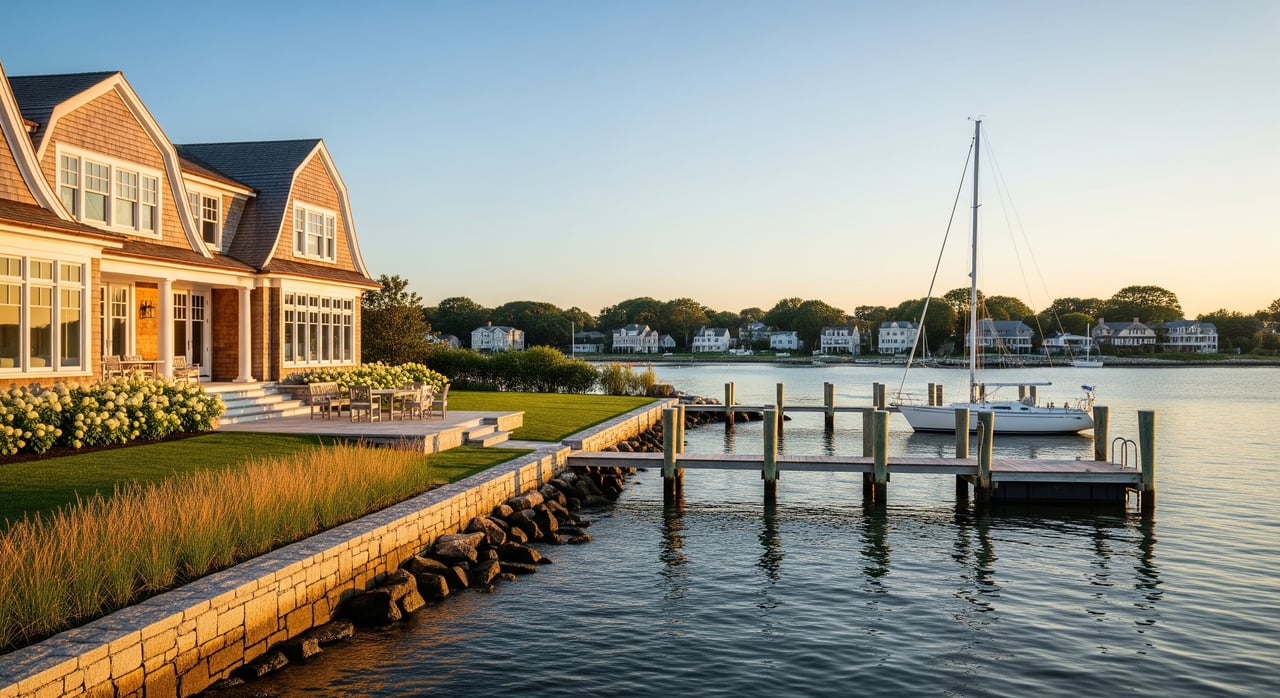
Waterfront in Darien usually means shoreline enclaves in areas like Tokeneke, Noroton, and near Pear Tree Point. Homes here often feature direct water access, moorings or docks, and sweeping Sound or cove views. Lots can range from exposed shorefront to protected inlets with deeper water.
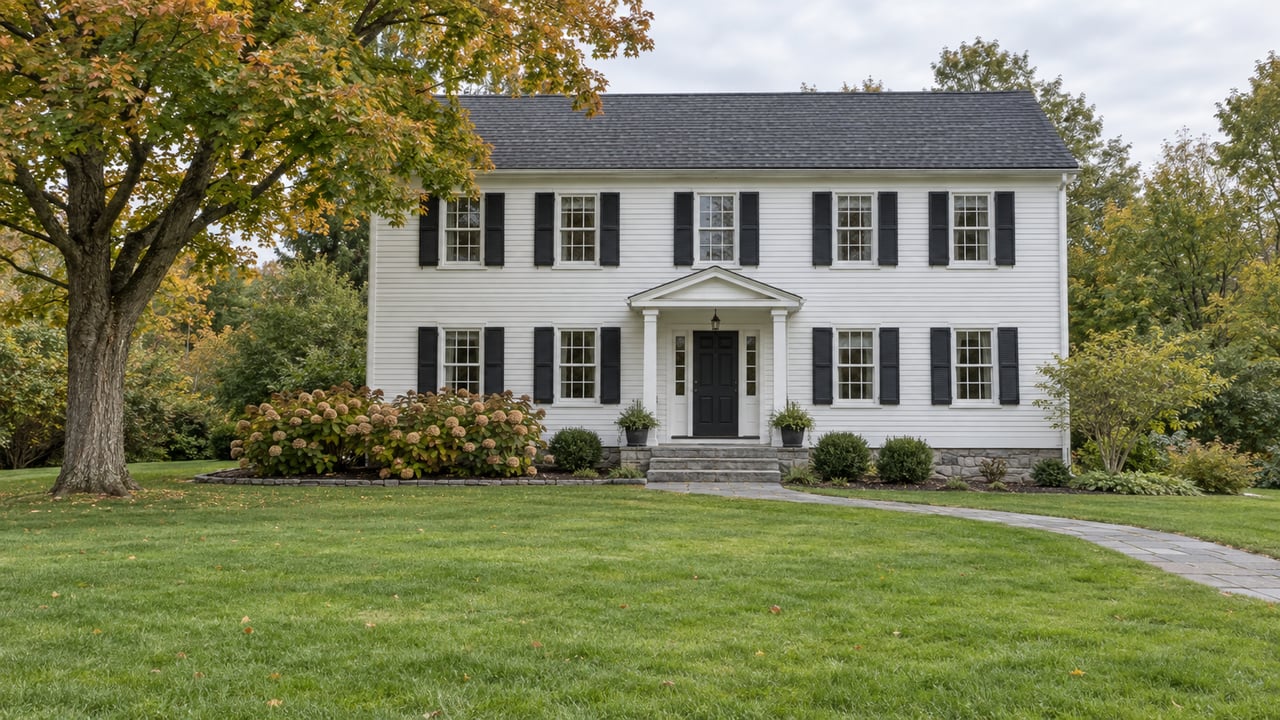
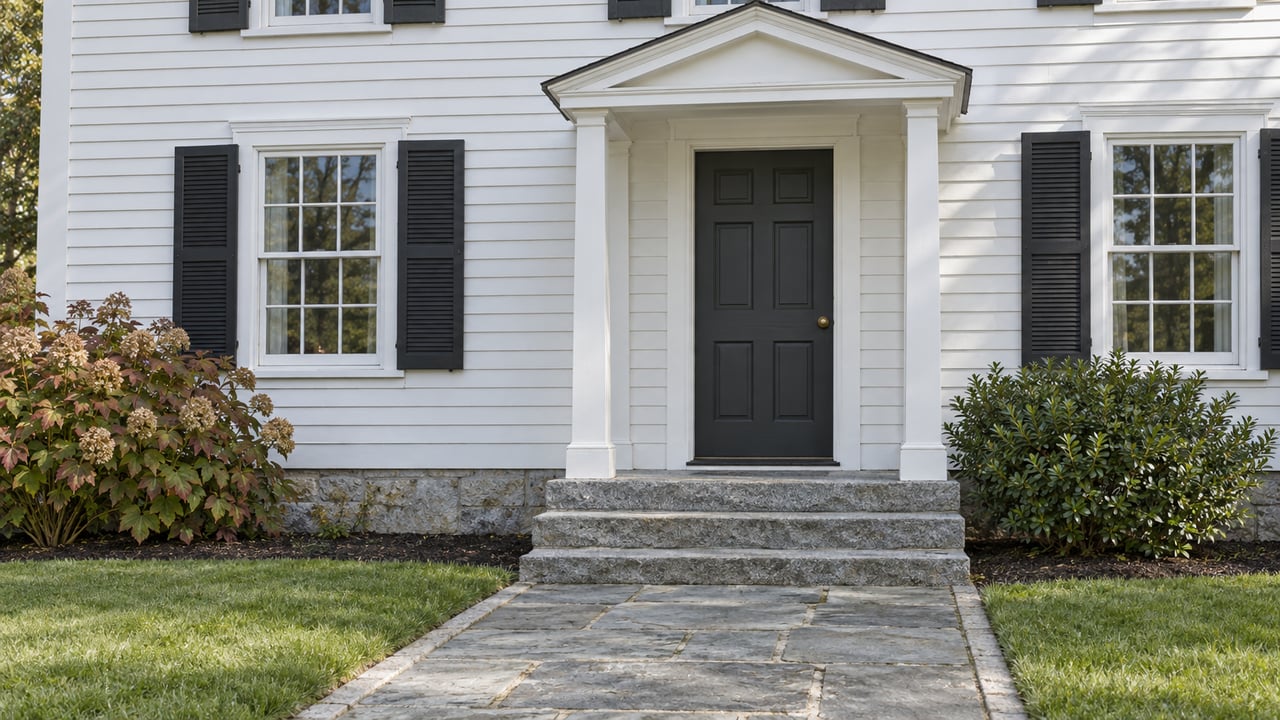
In-town refers to neighborhoods close to the Post Road business district and the Darien and Noroton Heights Metro-North stations. These pockets focus on convenience and walkability to shops, restaurants, services, and the train. Architecture and lot sizes vary, from cottages and condos to larger single-family homes.
Darien is an affluent coastal town with both settings in high demand. Waterfront usually commands a price premium due to scarcity and views, while in-town locations offer value in day-to-day convenience. For town departments, permits, and local services, check the official Darien government website.
Lifestyle differences
Walkability and errands
If you want to walk to coffee, dinner, library, or the train, in-town wins. The downtown core has higher walkability and short trips to daily essentials. Waterfront life is more car dependent, though some shoreline streets near Noroton or Tokeneke offer moderate walk access depending on the address.
Community and social life
Waterfront pockets often feel small and neighborly, sometimes with private beach or dock associations that shape the social calendar. In-town residents tend to engage more with civic events and local businesses because it is easier to pop out for a bite or an evening program.
Privacy and noise
Many waterfront parcels offer space and privacy. Still, expect seasonal activity near beaches and beach clubs. In-town areas feel busier, with more pedestrians and cars, especially near Post Road and the stations.
Seasonal rhythms
Waterfront living shines in summer with boating, swimming, and sunsets. Off-season brings stronger coastal weather and storm planning. In-town living has fewer seasonal swings beyond typical New England conditions.
Maintenance, risk, and rules
Flood and insurance
Waterfront properties are more likely to fall within FEMA Special Flood Hazard Areas. This can affect loan requirements and insurance costs. Before you bid, review the property’s flood zone on the FEMA Map Service Center and learn how coverage is priced through the National Flood Insurance Program at FloodSmart. Ask for elevation certificates, past flood disclosures, and recent insurance quotes. Premiums and deductibles can be higher for low elevation homes.
Coastal erosion, seawalls, and docks
If a property includes a seawall, bulkhead, or dock, ongoing inspection and repairs are part of ownership. Many alterations to tidal wetlands, docks, or shoreline structures require permits from the State of Connecticut. You can review coastal permitting guidance through Connecticut DEEP.
Construction and retrofit
Building or retrofitting along the coast can involve elevating mechanicals, selecting salt-tolerant materials, or flood-proofing. Zoning, coastal setbacks, and review timelines can add complexity. Start conversations early with local planning, building, and conservation offices, which you can access via the Darien town site.
Everyday upkeep
Coastal exposure speeds wear on paint, wood, metal, and outdoor systems. Docks and lifts have separate lifecycle costs. In-town homes typically face standard suburban upkeep without salt air corrosion.
Sewer and septic
Connection to municipal sewer varies by address in Darien. Some properties rely on septic, and coastal parcels can have added permitting steps for changes. Verify status and plans with Public Works or Health Department contacts through the Darien municipal site.
Commute and access
Train to NYC
Darien and Noroton Heights stations sit on the Metro-North New Haven Line. Trip times vary by service type. Check current options on the Metro-North schedules page. In-town homes cut the walk or drive to the station and can reduce parking needs. Parking rules and permits are set locally; review municipal guidance through the Town of Darien.
Roads and traffic
I-95 runs near the coast. The Merritt Parkway sits inland. Post Road sees predictable rush-hour traffic. If you rely on the train, in-town proximity can simplify mornings. If boating is central to your routine, living on or near the water may be worth a longer errand run.
Boat access
For waterfront owners, consider depth, dredged channels, mooring availability, and any association or harbormaster rules. Marina slip availability and seasonal fees can affect how often you use your boat.
Budget and ownership
Purchase price premium
Waterfront is scarce and commands a premium. In-town can be expensive too, given overall Darien demand, but convenience can offset ongoing costs. For current comps and trends, consult a local advisor and regional data sources like Bright MLS.
Insurance and recurring costs
Include flood coverage, homeowners insurance, routine coastal maintenance, possible seawall or dock programs, and storm preparation in your budget. In-town homes usually have more predictable recurring costs.
Associations and dues
Some shoreline neighborhoods have private beach or dock associations. Clarify dues, what they cover, reserves, and any special assessments.
Resale and demand
Waterfront attracts buyers for its lifestyle and views, but sensitivity to insurance and coastal risk can influence timelines and pricing. In-town homes often appeal to a broader buyer pool that prioritizes convenience and commute access.
Due diligence checklist
Use this list early in your contingency period so you can make clear decisions.
- Order a coastal-focused home inspection, including any bulkhead, dock, or erosion review.
- Pull FEMA flood maps and request the elevation certificate if available.
- Ask for seller disclosures about past flooding, insurance claims, and shoreline repairs.
- Get preliminary flood and homeowners insurance quotes from multiple carriers.
- Verify sewer vs septic and any known sewer expansion plans with town offices.
- Confirm zoning, setbacks, easements, and permits for docks or shoreline work.
- Review association bylaws and recent meeting minutes if applicable.
Who fits each option
Best fits for waterfront
- You want daily access to boating, beaches, and wide water views.
- You are comfortable budgeting for higher maintenance and flood insurance.
- You value privacy more than walkability.
Best fits for in-town
- You want an easier commute with short walks or drives to the train.
- You prefer quick errands and access to dining and services.
- You want lower exposure to coastal weather in long-term upkeep.
A simple decision framework
Define your non-negotiables. List the top three must-haves such as direct water access, a sub-10-minute station walk, or a certain type of lot.
Calculate total cost of ownership. Include mortgage, taxes, homeowners and flood insurance, maintenance, and association fees. Do this for your top two or three neighborhoods.
Validate the risks. Pull FEMA maps, check elevation data, and get real insurance quotes, not estimates. Speak with town departments about any planned projects that affect your street.
Test the commute and access. Drive and walk the routes at normal commute times. If you boat, confirm mooring or slip options and channel depth for your vessel.
Think about resale. Discuss likely buyer demand for each location and how evolving coastal risk perceptions might affect long-term value.
Waterfront vs in-town at a glance
- Lifestyle: Waterfront offers coastal recreation and privacy. In-town offers walkability and easy access to services.
- Commute: In-town reduces station time and can help with parking constraints. Waterfront often requires longer drives for errands and rail.
- Maintenance: Waterfront faces salt exposure and shoreline structure upkeep. In-town follows standard suburban maintenance.
- Insurance: Waterfront is more likely to need flood coverage and can face higher premiums.
- Budget: Waterfront carries a scarcity premium. In-town may trade space for convenience.
Planning for the long term
If your horizon is 10 years or more, consider coastal resiliency and future adaptation. Tools like the NOAA Sea Level Rise Viewer and the UConn CIRCA resources can help you understand long-term projections and local planning context. Use these resources alongside FEMA maps and state permitting guidance to make informed choices.
How we can help
Choosing between shoreline enclaves and in-town convenience is personal. You deserve clear answers on flood, permits, commute, and market value before you commit. If you want discreet, local guidance and a clean process from search through closing, connect with Dannel Malloy for a private consultation. If you are also exploring a sale, Request a Confidential Valuation and we will set a plan that aligns with your goals.
FAQs
What is the biggest cost difference between Darien waterfront and in-town homes?
- Waterfront often carries a higher purchase price plus flood insurance and coastal maintenance. In-town usually has lower ongoing maintenance and more predictable insurance.
How do I check a Darien home’s flood zone before I offer?
- Search the property location on the FEMA Map Service Center and ask the seller for an elevation certificate if available. Get preliminary quotes at FloodSmart.
Where can I see current Metro-North schedules for Darien?
- Review train times and service notices on the Metro-North New Haven Line page. Confirm station parking rules with the Town of Darien.
Do I need permits to repair a seawall or dock in Connecticut?
- Many shoreline repairs or alterations require state review. Start with coastal permitting guidance from Connecticut DEEP and coordinate with Darien building and conservation offices.
How can I factor sea-level rise into my decision?
- Use the NOAA Sea Level Rise Viewer and the UConn CIRCA resources to review projections, then discuss resilience features, insurance, and long-term plans with your advisor.